

The global thyme essential oil market is experiencing steady growth in 2026, driven by increasing consumer preference for natural preservatives, clean label products, and plant-based wellness solutions. Industry analysts project continued expansion as applications diversify across food, pharmaceutical, and personal care sectors.
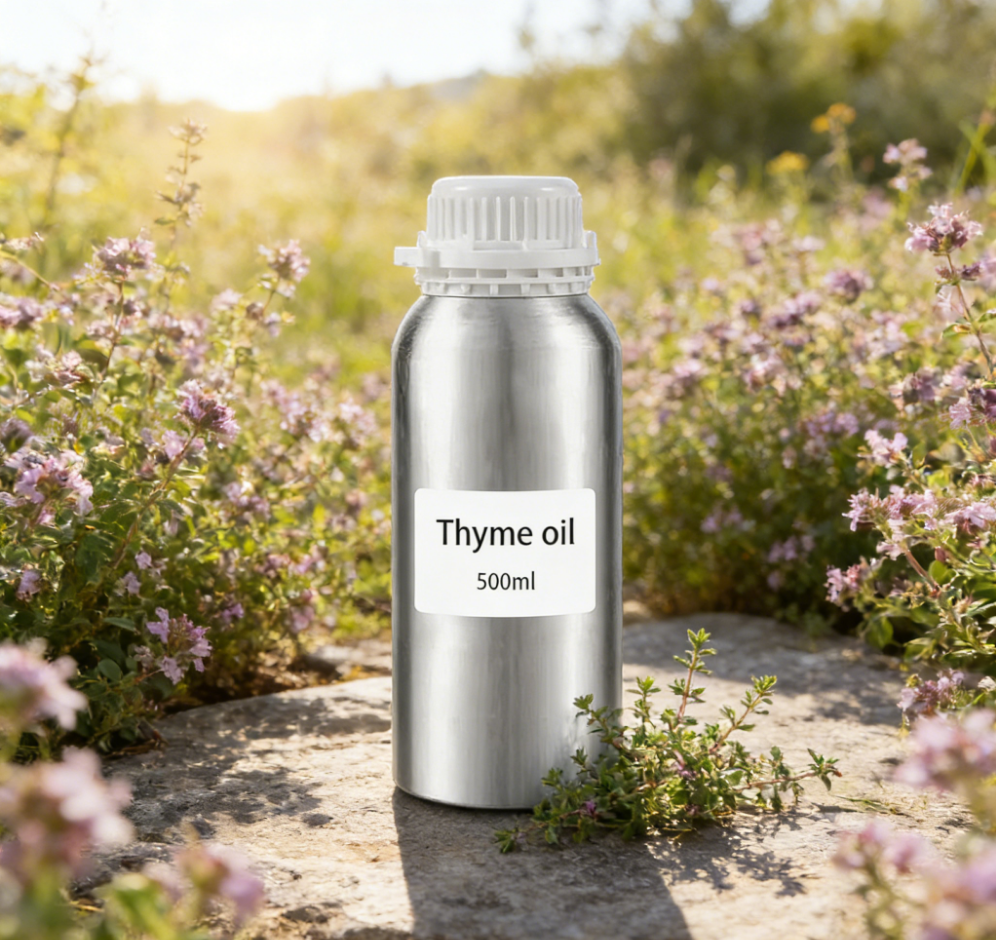
Valued for its high thymol and carvacrol content, thyme oil has become a key ingredient in natural food preservation systems. Manufacturers are increasingly replacing synthetic preservatives with thyme oil-based formulations in meat products, sauces, and ready-to-eat meals. The oil’s antimicrobial properties extend shelf life while meeting consumer demand for recognizable, plant-based ingredients.
In the personal care industry, thyme oil is gaining traction in natural deodorants, oral care products, and acne treatments. Its purifying properties make it an attractive alternative to synthetic antimicrobial agents. The aromatherapy sector continues to drive demand, with thyme oil featured in seasonal wellness blends and respiratory support formulations.
Europe remains the largest market, driven by stringent regulations on synthetic preservatives and strong consumer awareness of natural alternatives. The Asia-Pacific region shows the fastest growth, fueled by expanding middle-class populations and increasing adoption of Western wellness practices.
“The shift toward clean label and natural preservation is accelerating,” said a market analyst from ZX. “Thyme oil’s proven efficacy and versatility position it for sustained growth across multiple industries in 2026 and beyond.”
Challenges include price volatility due to climate-dependent harvests and competition from other antimicrobial essential oils. However, sustainable farming initiatives and advanced extraction technologies are helping stabilize supply chains.
For detailed prices, usage guides, and customer testimonials, please contact us.
Mob/whatsapp/wechat: +86 18679695545
E-mail: linda@jxzxbt.com
Post time: May-30-2026