

As more consumers seek plant based alternatives for post workout recovery and everyday muscle care, arnica massage oil is moving from niche natural remedy to mainstream wellness staple. The product, typically made by infusing arnica montana flowers in carrier oils such as sunflower or olive oil, has long been valued for its warming and soothing properties when applied topically before or after physical activity.
Arnica montana, a flowering herb native to mountainous regions of Europe, has been used medicinally for centuries. Historical records note its application for bruises, aches and muscle stiffness dating back to early modern times. Today, the herb is widely recognized in the personal care and sports recovery categories. According to product information from Weleda, a leading natural cosmetics brand, arnica massage oil is used by athletes and sports masseurs to warm and strengthen muscles, stimulate healthy blood flow and protect against cramps, tension and soreness. The formulation often combines arnica blossom extract with birch leaves, sunflower seed oil and olive oil, and is naturally fragranced with lavender and rosemary essential oils.
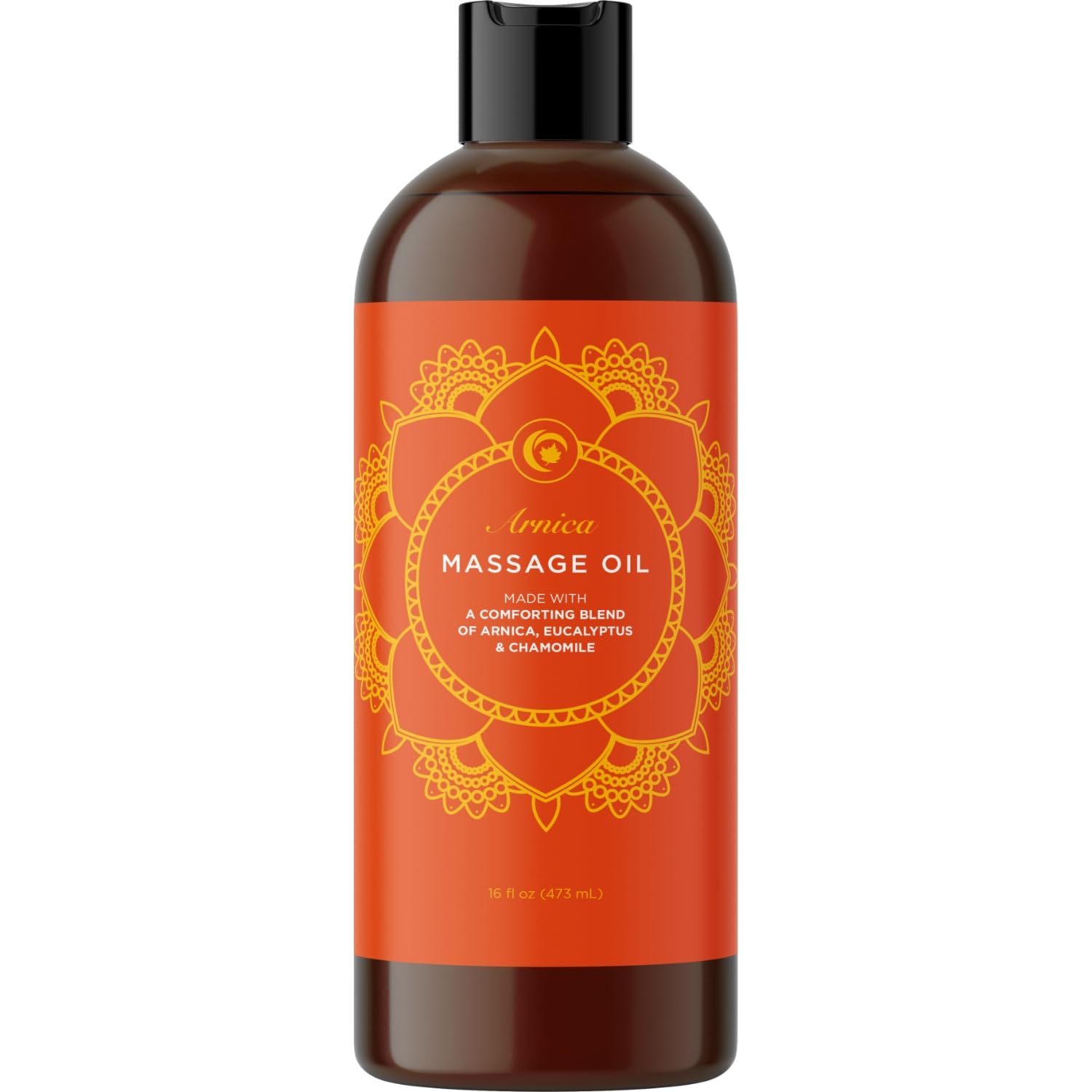
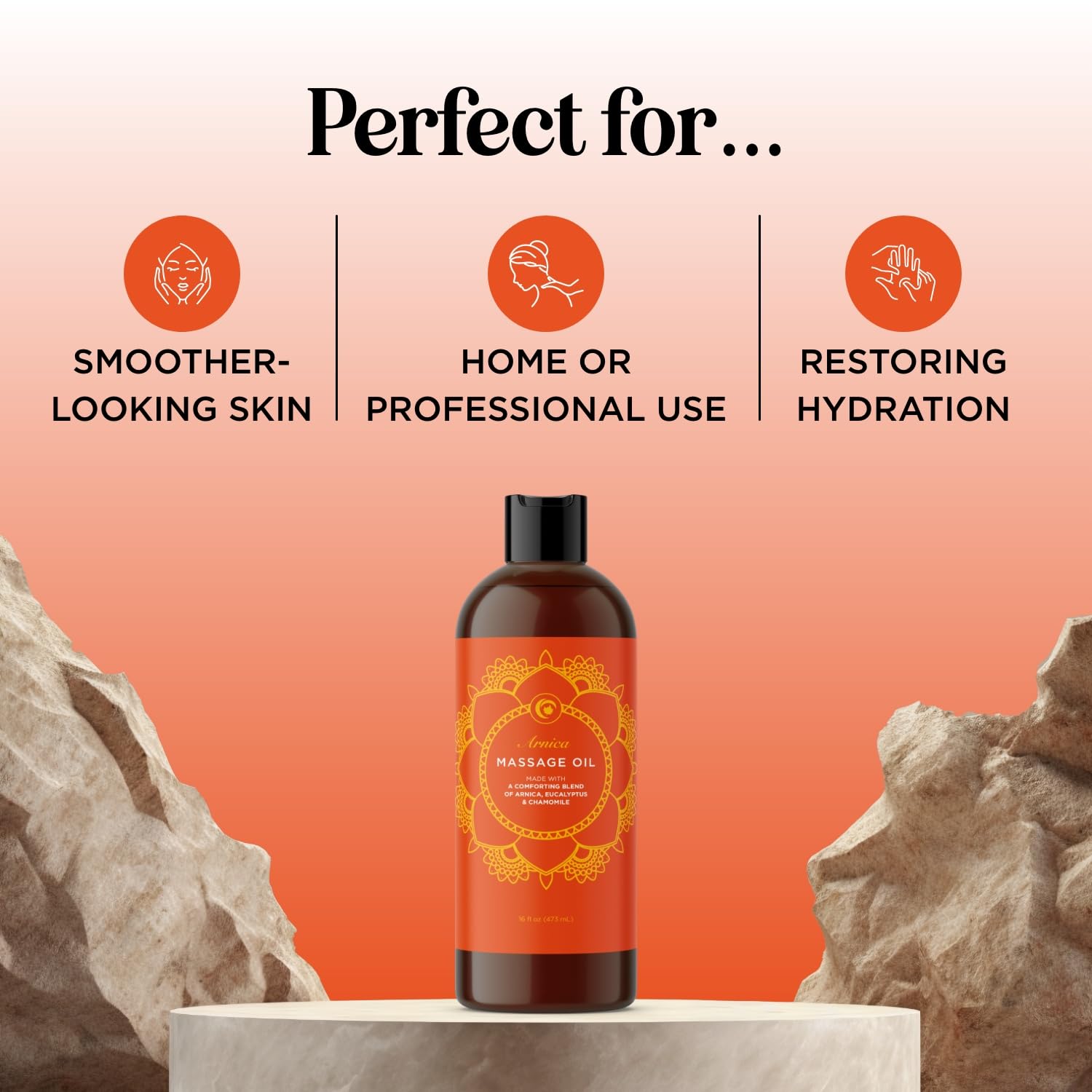

Consumer feedback underscores the product appeal. Users of Weleda Arnica Massage Oil report benefits ranging from reduced muscle tightness after exercise to relief for tired and swollen feet after long flights. One reviewer described the oil as providing a slight warming sensation when applied, promoting relaxation and releasing tension in larger muscle groups such as the back. Another noted improved range of movement and decreased soreness with regular use after gym sessions. These anecdotal accounts align with the product positioning as a recovery tool for active individuals and those experiencing everyday muscle fatigue.
The broader market context supports the category momentum. Industry analysis indicates that a majority of consumers now prefer plant based and organic oils for skin care and pain relief. Arnica oil has gained particular attention for its perceived efficacy in reducing inflammation and bruising, with a notable share of cosmetic companies incorporating arnica extract into topical formulations. Online sales of arnica oil products have also seen substantial growth, reflecting shifting purchasing behavior toward digital channels for wellness products. While market figures vary by source and methodology, the direction is clear: demand for natural muscle care solutions is expanding.
From a clinical perspective, evidence for arnica topical applications has been explored in several studies, though results are mixed and research remains limited in scope. A review of topical herbal therapies for osteoarthritis found moderate evidence from a single study indicating that arnica extract gel probably produces similar benefits to ibuprofen gel for hand osteoarthritis, though with a possibly worse adverse event profile. The authors noted that the quality and quantity of current research are insufficient to draw firm conclusions about effectiveness across all applications. For muscle soreness specifically, the evidence base is thinner, and most product claims rest on traditional use and consumer experience rather than robust clinical confirmation.
Looking ahead, the outlook for arnica massage oil appears favorable. Rising participation in fitness and outdoor activities, growing interest in natural pain relief and the continued expansion of the wellness economy all point to sustained demand. Brands are likely to invest in education around proper application, responsible sourcing of arnica montana and transparent formulation practices. For consumers seeking a gentle, plant based option for muscle care, arnica massage oil offers a familiar ritual with enduring appeal. As the category matures, further research and clearer labeling will help support informed choices and reinforce trust in this traditional remedy.
Post time: Oct-21-2026