

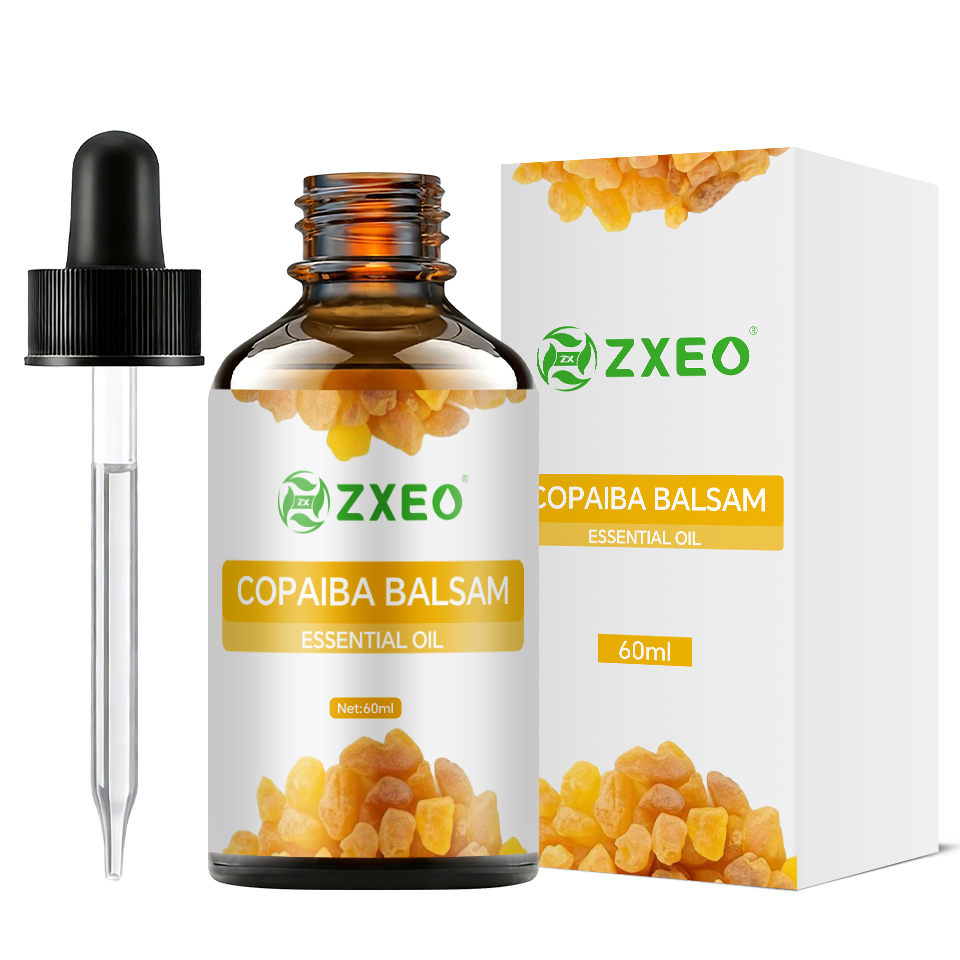
Deep in the Amazon rainforest of South America grows a tall, straight tree – the copaiba tree. When its bark is cut, it releases a golden resin with a light, sweet fragrance. This resin has been called “life oil” by local indigenous people, who have used it for thousands of years to treat wounds, soothe skin, and calm emotions. Copaiba balsam essential oil, extracted from this resin through steam distillation, carries a gentle, sweet, slightly woody and spicy aroma. It is not as solemn and heavy as frankincense, nor as intensely medicinal as myrrh, but rather a warm, sweet scent that “makes you want to take a deep breath” – one sniff, and it feels like being gently held by a pair of warm hands, your tense nerves slowly relaxing.
What is it? The “gentle cousin” of frankincense and myrrh
Copaiba balsam is a member of the Fabaceae family, native to the tropical rainforests of South America. Its resin is known as one of the “three great ancient resins,” along with frankincense and myrrh. But copaiba’s most distinctive feature is that it contains over 50% β-caryophyllene – a very rare natural component. β-caryophyllene is a unique “plant cannabinoid” that binds to CB2 receptors in the human body, producing powerful anti-inflammatory and analgesic effects, with absolutely no psychoactivity (it will not get you “high”). Additionally, copaiba balsam essential oil contains natural molecules such as α-copaene and δ-elemene. These ingredients give copaiba balsam three core properties: powerful anti-inflammatory, skin repair, and emotional calming.
The layers of its aroma: top notes are a sweet, resinous fragrance with a hint of green, herbaceous freshness; middle notes reveal warm woody and subtle spicy tones; the base note leaves a soft, long-lasting sweetness. Some say that smelling copaiba balsam essential oil feels like walking into an ancient forest cathedral – quiet, sacred, and deeply reassuring.
Three main strengths: repair, anti-inflammatory, calming
1. Skin “repairer”: works on acne, scars, and sensitive skin
The most outstanding ability of copaiba balsam essential oil is its power to promote skin repair. Its β-caryophyllene component effectively reduces skin inflammation while promoting collagen synthesis, helping to fade acne marks, scars, and stretch marks. Unlike “antibacterial” oils such as tea tree and cajeput, copaiba balsam leans more toward “repair” – it doesn’t directly kill bacteria, but rather improves skin issues through anti-inflammation and regeneration.
2. Natural “anti-inflammatory”: for muscle soreness
The most unique feature of copaiba balsam essential oil is its powerful anti-inflammatory effect. Multiple studies have confirmed that β-caryophyllene is very gentle on the gastrointestinal tract and can be used safely over the long term.
3. Emotional “tranquilizer”: for anxiety, insomnia, and stress
Copaiba balsam essential oil has a deep, soothing power. Its aroma is not as bright as citrus, nor as sweet as floral scents, but rather a warm stillness that “makes you want to close your eyes.” It doesn’t have the obvious sedative effect of lavender, nor the solemnity of sandalwood, but rather a gentle “emotional hug” – when you feel anxious, irritable, or overwhelmed by stress, diffusing copaiba balsam essential oil can help your nerves slowly “unwind.”
Email: jasmine@jxqhd.com
WeChat/Mobile: +8617679520868
Whatsapp: +8617679520868
Post time: May-30-2026