
The global sage essential oil market enters 2026 with broader demand fundamentals and a more disciplined supply architecture, as new clinical data and regulatory clarity accelerate the oil’s shift from traditional botanical to evidence-backed functional ingredient. The global market was valued at USD 8.11 billion in 2025 and is projected to reach USD 11.11 billion by 2031, growing at a 5.39% CAGR, with the clary sage segment alone expanding from USD 815.79 million in 2026 toward USD 1.08 billion by 2032.
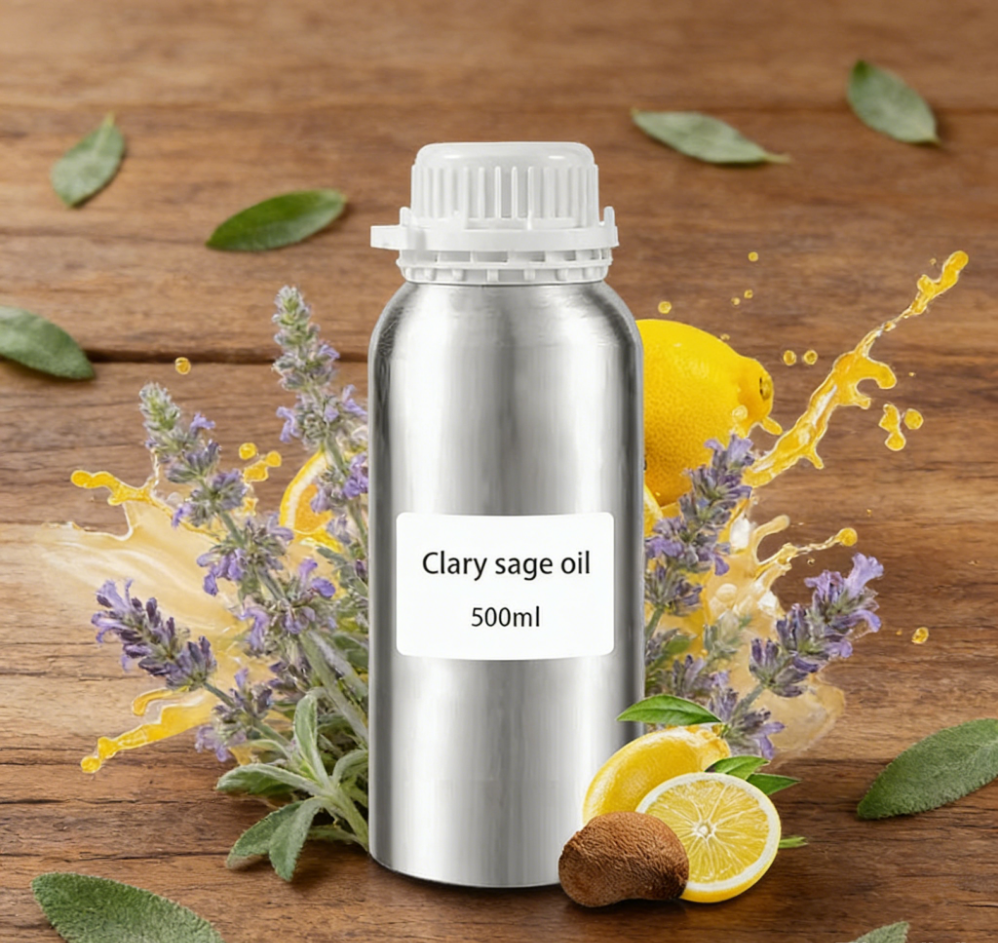
Clinical evidence has reached a new threshold. A randomized crossover trial published in Applied Sciences in March 2026 reported that bedtime inhalation of clary sage (Salvia sclarea) essential oil for 60 minutes significantly reduced menstrual pain, sleep disturbances, irritability, and anxiety in female collegiate athletes, while simultaneously increasing salivary antioxidant capacity (all p < 0.05). A separate 2026 review concluded that modern clinical investigations have confirmed clary sage oil’s efficacy as an anti-stress, anti-depressant, and analgesic agent in primary dysmenorrhea, with antioxidant, antimicrobial, and anti-inflammatory effects also substantiated. In the United States, clary sage and Dalmatian chemotypes together account for roughly 60–70% of consumption, reflecting formulator preference for standardized linalyl acetate and thujone profiles.
Regulatory frameworks sharpened in 2026. Commission Implementing Regulation (EU) 2026/516, in force since March 2026, corrected the thujone specification for Spanish sage oil (Salvia lavandulifolia) to “≤ 0.001%,” replacing an erroneous value and requiring formulators to review product compositions and labeling. Separately, Regulation (EU) 2026/1822, adopted in July 2026, authorized sage tincture from Salvia officinalis as a feed additive for all animal species, opening a new application pathway outside traditional cosmetics and aromatherapy. The thujone distinction remains critical: common sage (S. officinalis) is subject to strict concentration limits in cosmetics and food, while clary sage offers a lower-thujone profile increasingly favored in clean-label formulations.
Supply chain integrity has become a competitive differentiator. The EU relies on imports for an estimated 60–75% of sage oil supply, with Albania, North Macedonia, and Turkey serving as primary external corridors. Climate volatility in southern EU production zones is creating year-to-year yield swings of 15–25%, while market evidence suggests 10–20% of low-cost sage oil lots fail genuine Salvia officinalis chemotype standards. In response, organic and wild-crafted grades are gaining share at roughly twice the rate of conventional product, commanding 30–50% price premiums, and vertical integration between distillers, cooperatives, and buyers is accelerating to secure traceability documentation.
“Sage oil’s 2026 trajectory is defined by convergence—clinical validation, regulatory precision, and supply-chain accountability arriving simultaneously,” a market analyst noted. “The premium is shifting decisively toward producers who can document chemotype, origin, and safety data at batch level.
For detailed prices, usage guides, and customer testimonials, please contact us.
Mob/whatsapp/wechat: +86 18679695545
E-mail: linda@jxzxbt.com
Post time: Oct-24-2026