

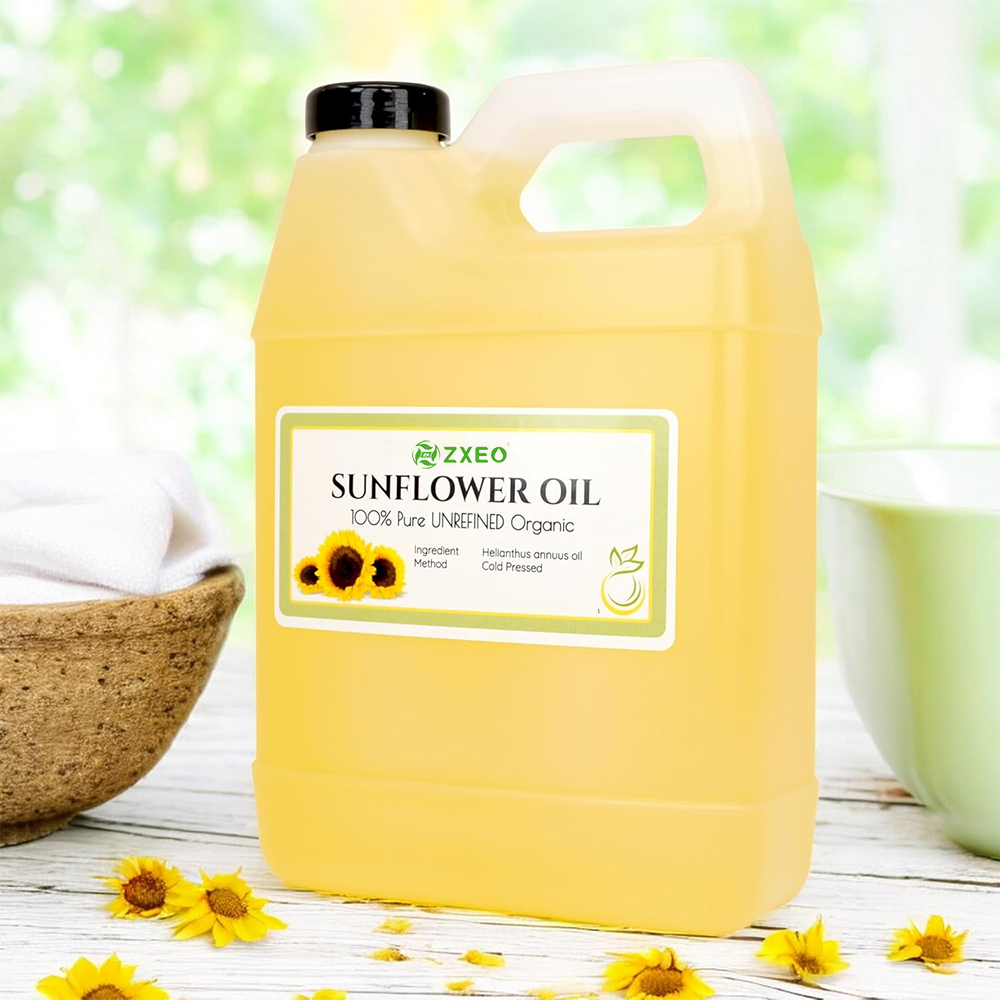
Sunflower oil, derived from the seeds of the sunflower plant (Helianthus annuus), is a widely used and highly regarded vegetable oil celebrated for its nutritional profile, culinary versatility, and potential health benefits. Its light color, neutral taste, and high smoke point make it a kitchen staple, while its composition offers several advantages for overall well-being.
Nutritional Composition and Heart Health
The primary benefit of sunflower oil lies in its fatty acid profile, particularly when the high-oleic variety is chosen. Traditional sunflower oil is rich in polyunsaturated fats, specifically linoleic acid (an omega-6 fatty acid). While essential, omega-6 fats must be balanced with omega-3 intake. However, the development of high-oleic sunflower oil has been a significant advancement. This type is predominantly composed of monounsaturated fats (oleic acid), similar to the profile of olive oil. Monounsaturated fats are renowned for supporting heart health by helping to reduce levels of LDL (“bad”) cholesterol without affecting HDL (“good”) cholesterol, thereby promoting a healthier lipid profile and potentially lowering the risk of cardiovascular disease.
Furthermore, sunflower oil is completely free of cholesterol and trans fats when not partially hydrogenated, making it a heart-smart choice compared to solid fats like butter or some processed oils.
Rich Source of Vitamin E
Sunflower oil is an exceptional source of vitamin E (tocopherol), a powerful fat-soluble antioxidant. Just one tablespoon can provide a substantial percentage of the daily recommended intake. Vitamin E plays a crucial role in protecting cells from damage caused by free radicals, unstable molecules that contribute to chronic diseases and aging. This antioxidant activity supports skin health by combating oxidative stress, may bolster the immune system, and helps maintain the integrity of cell membranes throughout the body.
Anti-Inflammatory Properties and Other Benefits
Some studies suggest that the compounds in sunflower oil, including its vitamin E content and certain plant sterols, may possess mild anti-inflammatory properties. While not as potent as omega-3 sources, this can contribute to overall health within a balanced diet. The oil also contains small amounts of vitamins K, which is vital for blood clotting and bone metabolism.
Culinary Versatility
From a practical standpoint, sunflower oil‘s benefits extend to its performance in cooking. Its neutral flavor does not overpower dishes, making it suitable for baking, stir-frying, and salad dressings. The high smoke point of refined sunflower oil (around 450°F or 230°C) makes it excellent for high-heat cooking methods like searing, sautéing, and deep-frying, as it remains stable and does not break down easily into harmful compounds.
Important Considerations and Selection
To maximize the benefits, choosing the right type is key. High-oleic sunflower oil is nutritionally superior for everyday use due to its stability and favorable monounsaturated fat content. Mid-oleic or NuSun oil is another good, balanced option. Traditional linoleic-rich sunflower oil is best used in moderation and balanced with ample omega-3 sources (like fatty fish, flaxseeds, walnuts) in the diet to prevent an inflammatory fatty acid imbalance.
It is also crucial to remember that sunflower oil, like all fats, is energy-dense, with about 120 calories per tablespoon. Moderation is essential. The healthiest approach is to use it as part of a varied diet, favoring high-oleic versions for most cooking and combining it with other healthy fat sources like olive oil, avocado oil, and nuts.
In conclusion, sunflower oil, particularly in its high-oleic form, offers a compelling combination of heart-healthy fats, potent antioxidant vitamin E, and culinary flexibility. When selected wisely and consumed in appropriate amounts as part of a balanced diet, it is a valuable and health-supportive addition to the kitchen pantry.
Post time: Dec-27-2025