
The global market for Bitter Orange Hydrosol, also known as Neroli Hydrosol or Orange Blossom Water, is experiencing robust expansion, driven by a significant consumer shift toward natural and organic personal care products. New market analysis indicates a promising trajectory for this botanical ingredient, with the sector projected to grow at a compound annual growth rate of 6.8 percent from 2025 to 2032, reaching a valuation of 78.6 million US dollars by the end of the forecast period.
Bitter Orange Hydrosol is a byproduct of the steam distillation process of the fragrant flowers from the bitter orange tree, scientifically known as Citrus aurantium. The resulting aromatic water captures the plants water soluble components, retaining a mild therapeutic profile that is highly valued across multiple industries. Unlike its more concentrated essential oil counterpart, known as Neroli, the hydrosol is gentler and can be applied directly to the skin, making it a preferred choice for sensitive applications.
A Trio of Drivers Propelling Market Expansion
The surge in demand is largely attributed to three primary factors: the increasing preference for clean beauty, the growing adoption of aromatherapy, and new opportunities in the pharmaceutical sector.
1. Cosmetic and Personal Care Dominance
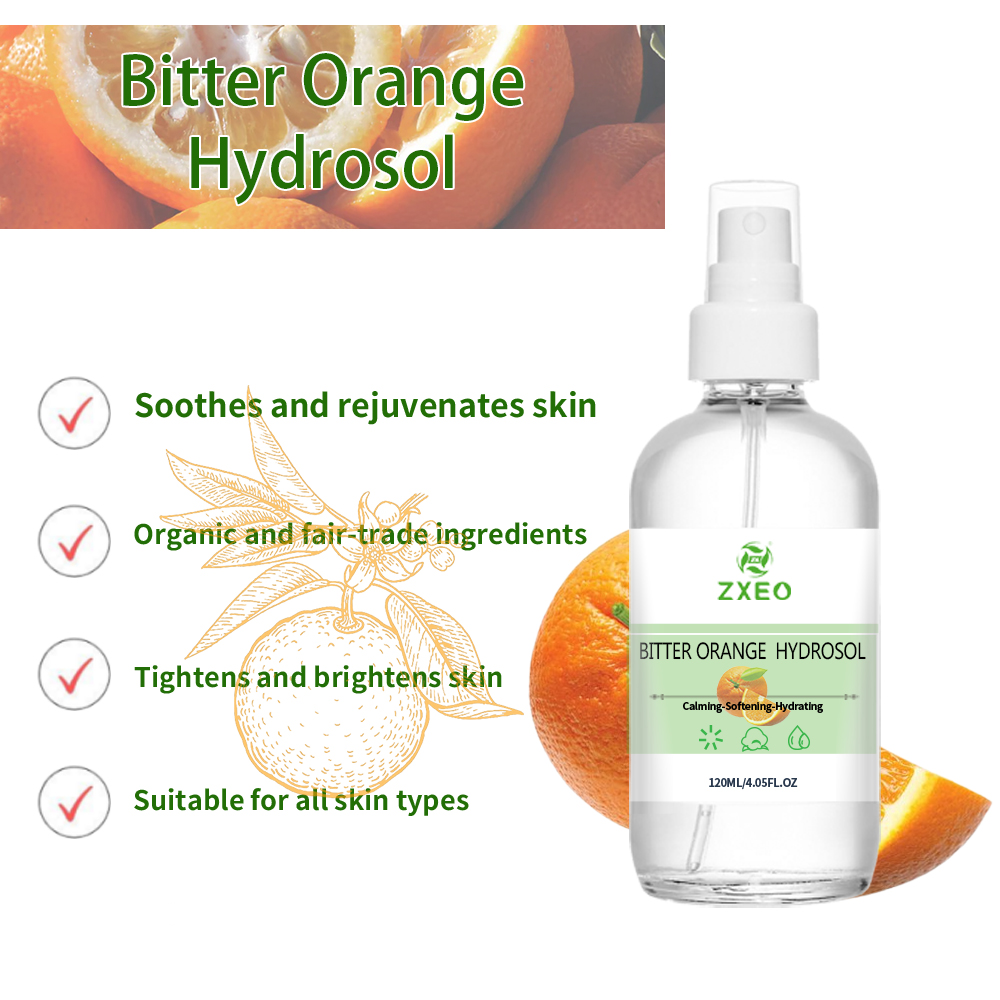
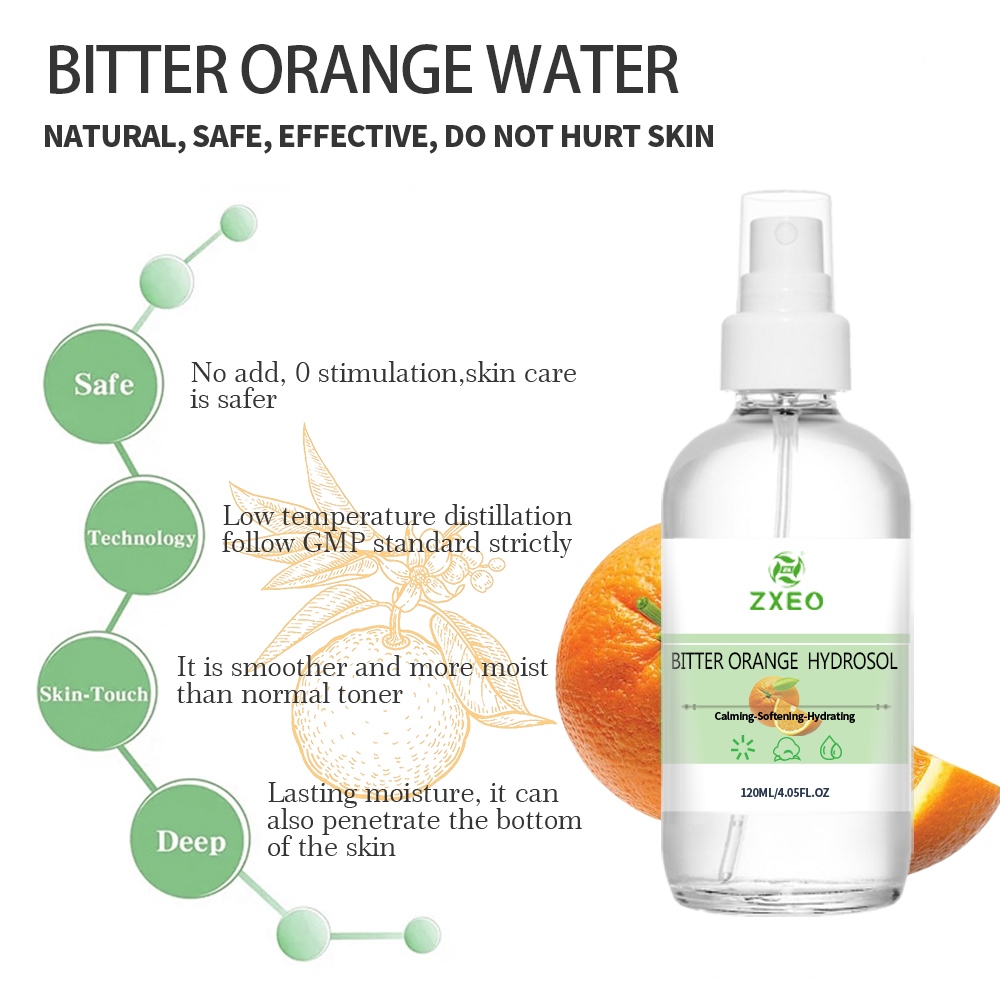
The cosmetics segment accounts for over 42 percent of the total demand for Bitter Orange Hydrosol. As the global cosmetics industry pivots toward natural formulations, consumers are prioritizing products with botanical alternatives to synthetic ingredients. Bitter Orange Hydrosol is gaining prominence in toners, facial mists, and serums due to its skin soothing and anti inflammatory properties. Its efficacy in brightening the complexion and combating free radicals has made it a staple in premium skincare formulations, with the natural cosmetics segment growing at over 10 percent CAGR between 2024 and 2025.
2. Aromatherapy and Mental Wellness Applications
The hydrosol is widely utilized in aromatherapy for its calming and mood balancing effects. Its gentle floral aroma, reminiscent of spring blooms with subtle honey undertones, is increasingly used in diffusers, room sprays, and linen mists. Industry experts note that the post pandemic focus on mental health has significantly boosted the demand for non invasive stress relief solutions, and Bitter Orange Hydrosol fits this niche perfectly. Wellness centers and spas are incorporating it into their treatment protocols, further driving wholesale demand.
3. Emerging Pharmaceutical and Food Segments
While still in nascent stages, the use of Bitter Orange Hydrosol in pharmaceutical applications is gaining research attention. Preliminary studies suggest potential antimicrobial and digestive aid properties, opening new avenues for clinical and dietary supplement applications. Additionally, the food and beverage industry is exploring its use as a natural flavoring agent in confectioneries, cocktails, and artisanal baked goods, offering a sophisticated floral note that appeals to culinary innovators.
Regional Market Insights
Europe currently holds the largest market share, accounting for approximately 34 percent of global consumption. The regions established regulatory framework for organic certification and a mature consumer base for natural cosmetics reinforce its leading position. France, Italy, and Spain are key contributors due to their longstanding citrus cultivation traditions.
North America is emerging as the fastest growing market, driven by a thriving direct to consumer beauty brand landscape and increasing awareness of hydrosol benefits through social media and wellness influencers. The United States market is expected to register a CAGR of 7.2 percent through 2032.
The Asia Pacific region, particularly Japan and South Korea, is also witnessing accelerated adoption. The deep rooted cultural appreciation for botanical skincare in these countries aligns seamlessly with the hydrosols multifaceted benefits. Manufacturers are increasingly targeting this region for product launches and strategic partnerships.
Sustainability and Production Trends
Sustainability is a central theme influencing the Bitter Orange Hydrosol market. Producers are adopting environmentally conscious distillation methods, including solar powered operations and zero waste water recycling systems. Additionally, the organic farming of bitter orange trees is gaining momentum, as it ensures the purity of the hydrosol while supporting biodiversity.
The supply chain dynamics are witnessing notable changes, with many producers shifting from primarily exporting raw materials to developing finished consumer goods. Brands are also focusing on transparency regarding sourcing and production processes to build consumer trust, a factor increasingly vital in purchasing decisions.
Challenges and Outlook
Despite the positive outlook, the industry faces certain challenges. Fluctuations in agricultural yield due to climate change and the seasonal nature of bitter orange blossom harvesting pose risks to consistent supply. Furthermore, the market requires more stringent standardization concerning the concentration and preservative content of hydrosol products to ensure quality consistency.
Looking ahead, innovation in packaging and formulation is expected to create new opportunities. Waterless beauty trends and multifunctional products incorporating Bitter Orange Hydrosol with other botanical extracts are likely to shape the market in the coming years. As consumers continue to seek products that offer a blend of efficacy, sensory experience, and environmental responsibility, Bitter Orange Hydrosol stands out as a versatile ingredient capable of meeting these evolving expectations. The market is well positioned to continue its upward trajectory, establishing itself as a cornerstone of the natural wellness economy.

Post time: Jul-01-2026