
The global skincare industry is turning its attention to a rare botanical extract distinguished by its vivid cerulean color and remarkable skin-calming properties. Blue Tansy, known scientifically as Tanacetum annuum, is emerging as a preferred ingredient for formulators seeking natural alternatives to address inflammation, redness, and oxidative stress. Often called Moroccan Chamomile due to its native growing regions in the Mediterranean, this flowering plant produces a hydrosol that is rapidly gaining recognition among dermatologists and clean beauty advocates alike.
What sets Blue Tansy apart from other botanical waters is its unique chemical profile. The plant itself bears small yellow flowers, but the magic happens during the steam distillation process. Heat converts a compound called matricin into chamazulene, a bioactive molecule responsible for the hydrosol’s deep indigo hue and many of its therapeutic effects. Unlike essential oils, which are highly concentrated and require dilution, Blue Tansy Hydrosol is a water-based byproduct of distillation. It contains a lower concentration of active constituents, making it exceptionally gentle and safe for daily application without the risk of sensitization. This quality positions the hydrosol as an ideal entry point for consumers new to botanical skincare or those with highly reactive skin types.
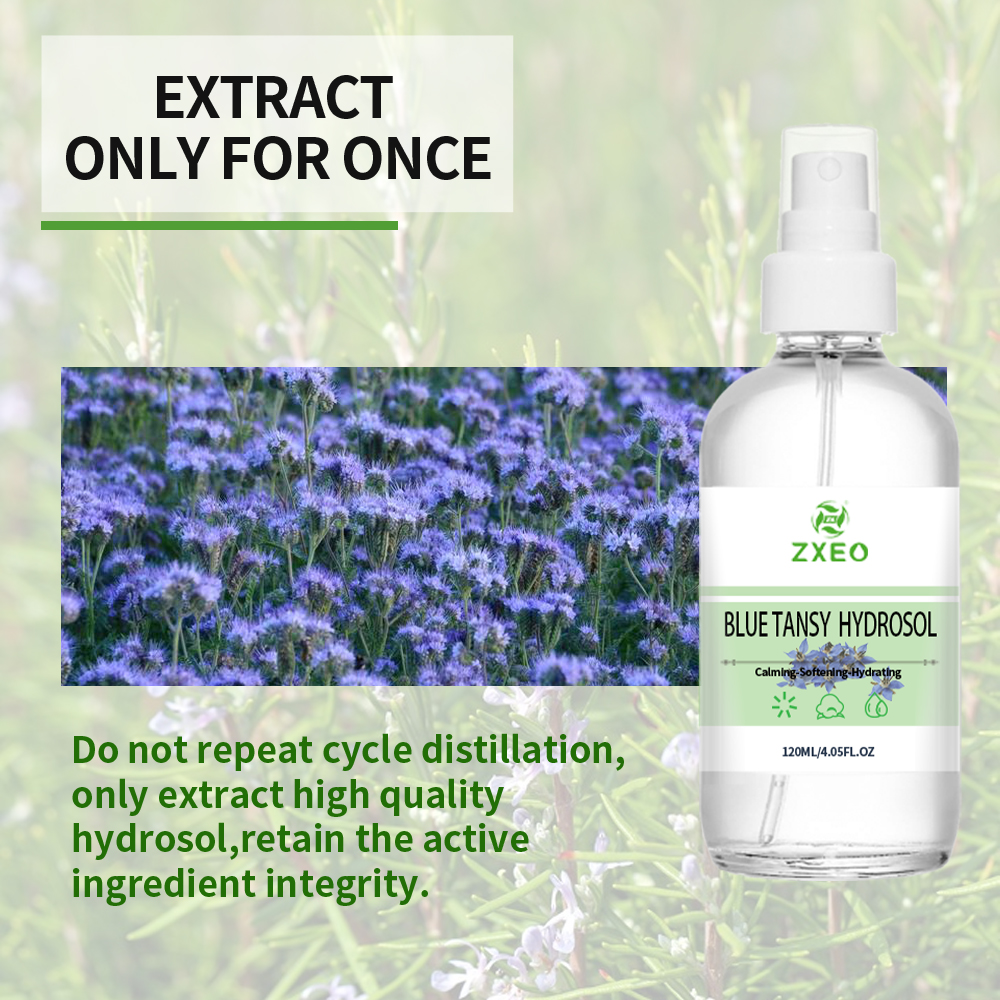
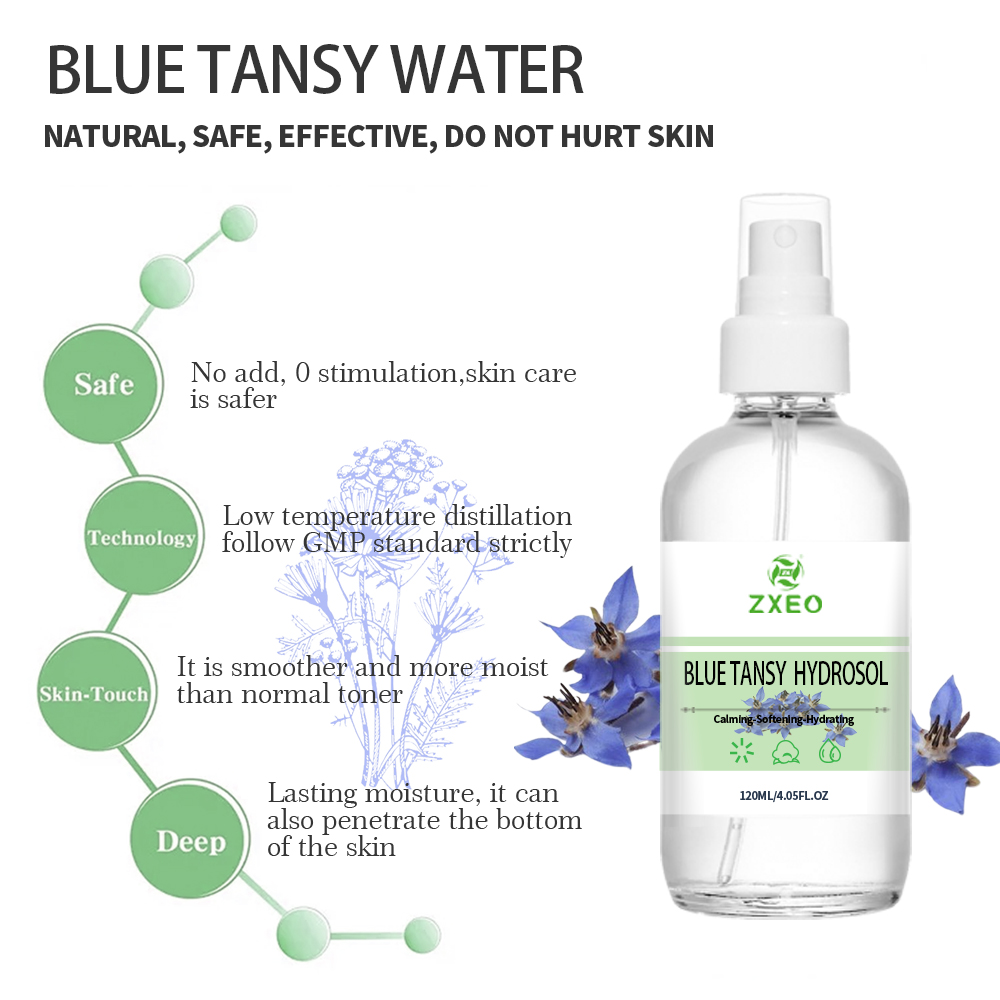
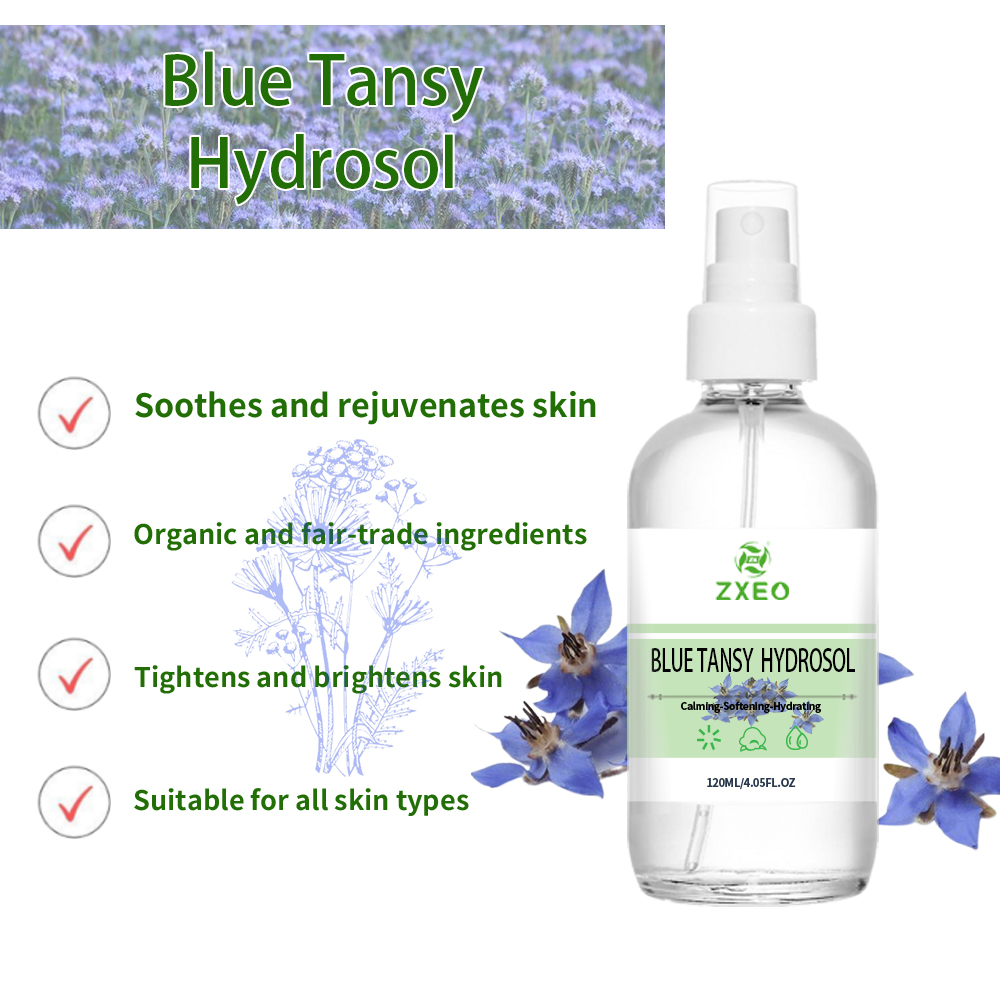
Clinical interest in Blue Tansy Hydrosol centers on its anti-inflammatory and antioxidant capacities. The presence of chamazulene, alongside other flavonoids and phenolic compounds, provides a dual-action benefit. First, it helps to downregulate the production of pro-inflammatory cytokines, which are often elevated in conditions like rosacea, eczema, and acne. Second, its antioxidant activity helps neutralize free radicals generated by environmental aggressors such as UV radiation and pollution. This protective function is critical for preventing premature aging and maintaining the skin barrier integrity.
Market analysts project that the global hydrosol market will continue its upward trajectory, with floral and herbal waters experiencing the highest growth rates through 2030. Consumer demand for multifunctional, transparent, and sustainable products is a major driver. Blue Tansy Hydrosol fits this criterion seamlessly. It functions as a facial toner, a soothing face mist, a compress for irritated patches, and even a lightweight makeup setting spray. Its versatility reduces the need for multiple products, aligning with the minimalist skincare movement that prioritizes quality and efficacy over quantity.
However, the rising popularity of Blue Tansy has prompted discussions regarding agricultural sustainability. Tanacetum annuum is predominantly cultivated in Morocco, where it has been used in traditional medicine for generations. As global demand increases, manufacturers are under pressure to ensure responsible sourcing practices. Leading producers are now implementing organic farming methods, reducing water usage during distillation, and establishing fair trade agreements with local growers. These measures are crucial to protect the biodiversity of the region and maintain the purity of the final product.
Beauty brands are also investing in education to prevent consumer misuse. Blue Tansy Hydrosol is often confused with its essential oil counterpart. While the hydrosol is safe for direct skin application, the essential oil can be phototoxic and irritating if not properly diluted. Reputable companies are clearly labeling their products and providing usage guidelines to help consumers enjoy the benefits safely.
Looking ahead, research into the full potential of Blue Tansy Hydrosol is expanding. Preliminary studies suggest that its antioxidant compounds may also support wound healing and microbial balance on the skin. This opens doors for its use in post-procedure care and adult acne management. As clinical evidence accumulates, the transition from niche botanical to mainstream skincare staple appears inevitable. The hydrosol is no longer a secret of aromatherapy enthusiasts but a scientifically supported ingredient poised to reshape how consumers approach sensitive skin care.

Post time: Jul-30-2026