

In 2026, the global natural oils and specialty chemicals industry continues to expand at a remarkable pace, driven by the universal pursuit of sustainable, bio-based, and multifunctional ingredients across personal care, pharmaceuticals, and industrial sectors. Among the most versatile and historically significant vegetable oils, castor oil—cold-pressed from the seeds of the Ricinus communis plant, and prized for its unique ricinoleic acid content (approximately 85–90%) and exceptional functional properties—has secured an indispensable position in the global market. With its deep-rooted history in traditional medicine and its rapidly expanding role in modern bio-economy applications, castor oil demonstrates robust demand growth and strong value expansion worldwide.
Key Application Scenarios
1. Personal Care & Cosmetics
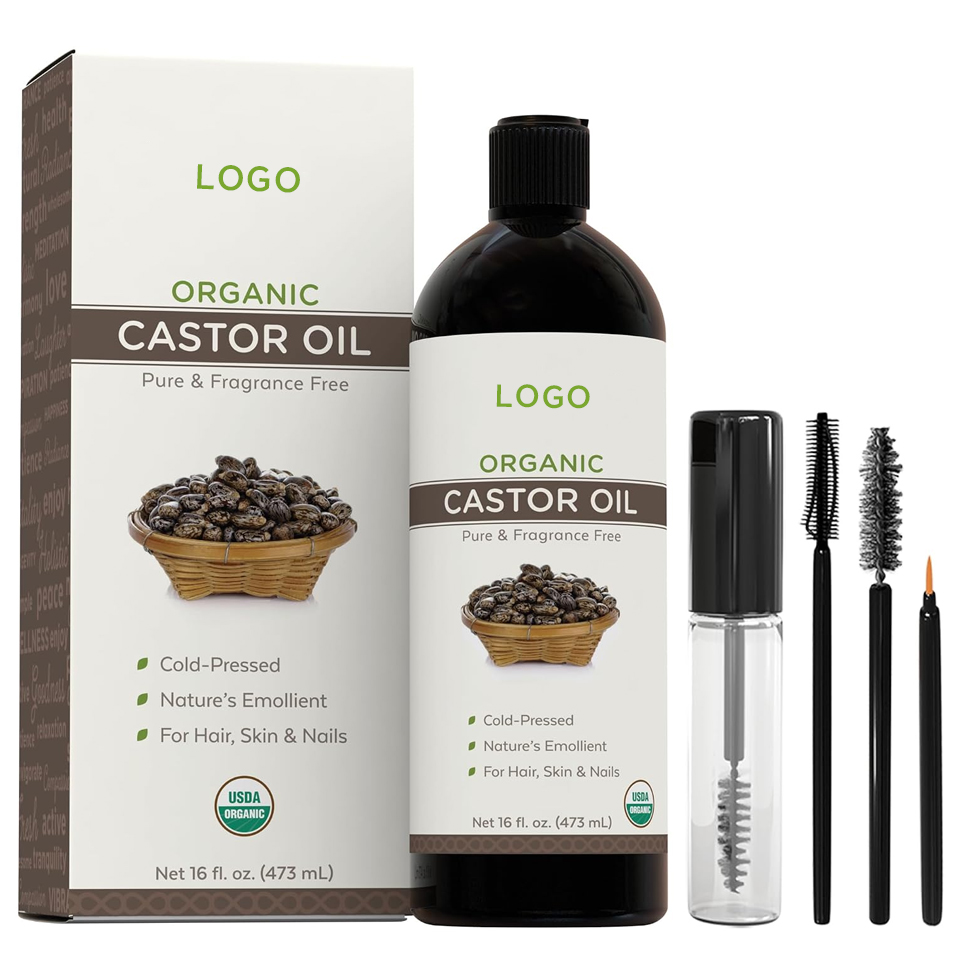
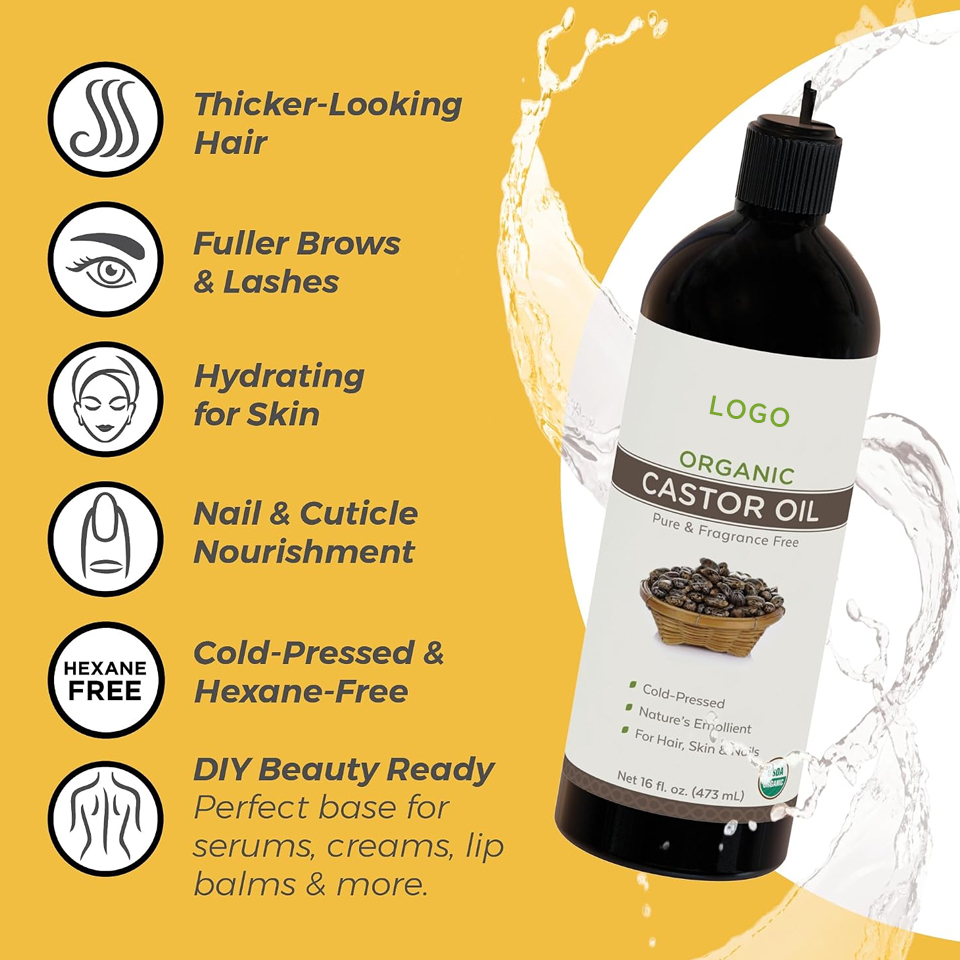
Castor oil is a cornerstone ingredient in the personal care industry. Its emollient, moisturizing, and antimicrobial properties make it ideal for skin moisturizers, soaps, shampoos, hair oils, perfumes, and lip gels. The rapid transition from petrochemical to plant-based ingredients in clean-label cosmetics has accelerated castor oil adoption across the sector. Cold-pressed castor oil, in particular, retains ricinoleic acid and vitamin E, offering excellent moisturizing and repairing capabilities, deeply softening the stratum corneum and repairing cracked skin.
2. Hair & Scalp Care
Castor oil has gained widespread popularity in hair care. When blended with shampoo at a 1:10 ratio, it helps invigorate hair follicles, strengthen hair roots, and improve dry, frizzy hair, leaving hair soft and shiny. Research has demonstrated that rosemary-castor oil significantly improved hair growth rate in clinical studies. While scientific evidence supporting castor oil’s direct role in stimulating new follicle growth remains limited, it is widely recognized for improving scalp health, reducing breakage, moisturizing strands, and creating a shinier appearance.
3. Dermatological & Skincare Applications
Castor oil exhibits moderate antibacterial activity against Propionibacterium acnes and Staphylococcus aureus, supporting its potential as a topical anti-acne treatment. Its anti-inflammatory, antimicrobial, and moisturizing benefits make it effective for soothing dry skin, reducing inflammation, and supporting scar healing.
4. Industrial & Bio-Based Materials
A unique trend shaping the 2026 market is castor oil’s rising role in bio-based elastomers and biodegradable packaging applications, driven by automotive and medical sectors. Castor oil-based alkyds and polyamides contribute to adhesion and gloss retention in automotive and industrial coatings.
5. Pharmaceutical & Nutraceutical
Castor oil and its derivatives serve as active pharmaceutical ingredients and excipients, with applications expanding across medicinal formulations.
Scientific Evidence & Balanced Perspective
As with many traditional remedies, castor oil’s benefits should be viewed through a balanced, evidence-based lens. While ricinoleic acid and its metabolites are known to confer moisturizing effects on hair as well as fungicidal and germicidal activity for scalp and hair shaft protection, there is no high-quality clinical data showing that castor oil truly promotes hair growth in the way online claims suggest. Dermatologists emphasize that castor oil can help condition dry hair and seal in moisture, but it will not prevent or reverse hair thinning.
For skincare, evidence supports its use as an emollient that helps decrease water loss and can enhance the absorption of other cosmetic ingredients. However, there is no substantiated research to prove that castor oil can stimulate hair growth. The true value of castor oil lies in its well-established moisturizing, protective, and conditioning properties—not in unverified claims of miraculous regeneration.
Market Trends & Future Outlook
Looking ahead, the global castor oil market is expected to maintain its positive trajectory. Several key trends will shape its development:
Sustainability & Green Chemistry: Buyers increasingly demand lifecycle transparency, lower carbon intensity, and certified agricultural practices. Castor oil is widely recognized as a high-value, sustainable feedstock for bio-based industries. The emergence of castor-based bio-elastomers and biodegradable packaging materials represents a significant growth opportunity.
Supply Chain Resilience: The industry remains exposed to agronomic variability, weather-related yield fluctuations, and fragmented farming practices. Tariff measures and trade policy changes have prompted companies to reassess procurement, regional processing, and supplier diversity.
Regulatory & Quality Standards: Regulatory tightening on contaminants and labeling is shifting market preferences toward high-grade and premiumized products. Sustainability verification and digital traceability are emerging as competitive differentiators across premium and regulated segments.
Regional Dynamics: Asia-Pacific remains the largest production and consumption center, with China projected to lead the global market in terms of revenue by 2033. Europe maintains stringent regulatory compliance and sustainability requirements.
Whatsapp/Wechat: +008617679520868



Post time: Aug-31-2026