

A Soothing Touch: Eucalyptus in Massage Therapy
One of the most celebrated uses of eucalyptus essential oil is in massage therapy, where it delivers powerful relief for tired, aching muscles and joints. When properly diluted with a carrier oil—such as jojoba, coconut, sweet almond, or grapeseed oil—eucalyptus oil can be gently massaged into affected areas to alleviate muscle soreness, joint pain, and stiffness.
The oil’s analgesic and anti‑inflammatory properties have been confirmed in pharmacological and clinical studies. Eucalyptus works by reducing inflammation in soft tissues, increasing blood flow to sore areas, and creating a warming or cooling sensation that helps distract from pain. Research has shown that eucalyptus‑based rubs can warm muscles in athletes, suggesting its potential to relieve minor muscle soreness when applied topically.
For those recovering from physical exertion, a post‑exercise massage blend combining eucalyptus with lavender and rosemary oils offers an invigorating yet soothing experience. Beyond muscle relief, the oil’s refreshing, camphoraceous scent promotes mental clarity and relaxation, making it an ideal addition to massage rituals designed to restore both body and mind.
Radiant Skin: Skincare Benefits of Eucalyptus Oil
Eucalyptus essential oil is equally prized in skincare for its antimicrobial, anti‑inflammatory, and purifying properties. Its primary active compound, eucalyptol (1,8‑cineole), helps calm redness and inflammation while reducing sebum production—making it particularly beneficial for acne‑prone, combination, or oily skin. Studies have demonstrated that eucalyptus oil can inhibit the enzyme tyrosinase, which plays a key role in melanin biosynthesis, suggesting potential applications in treating hyperpigmentation and skin discoloration.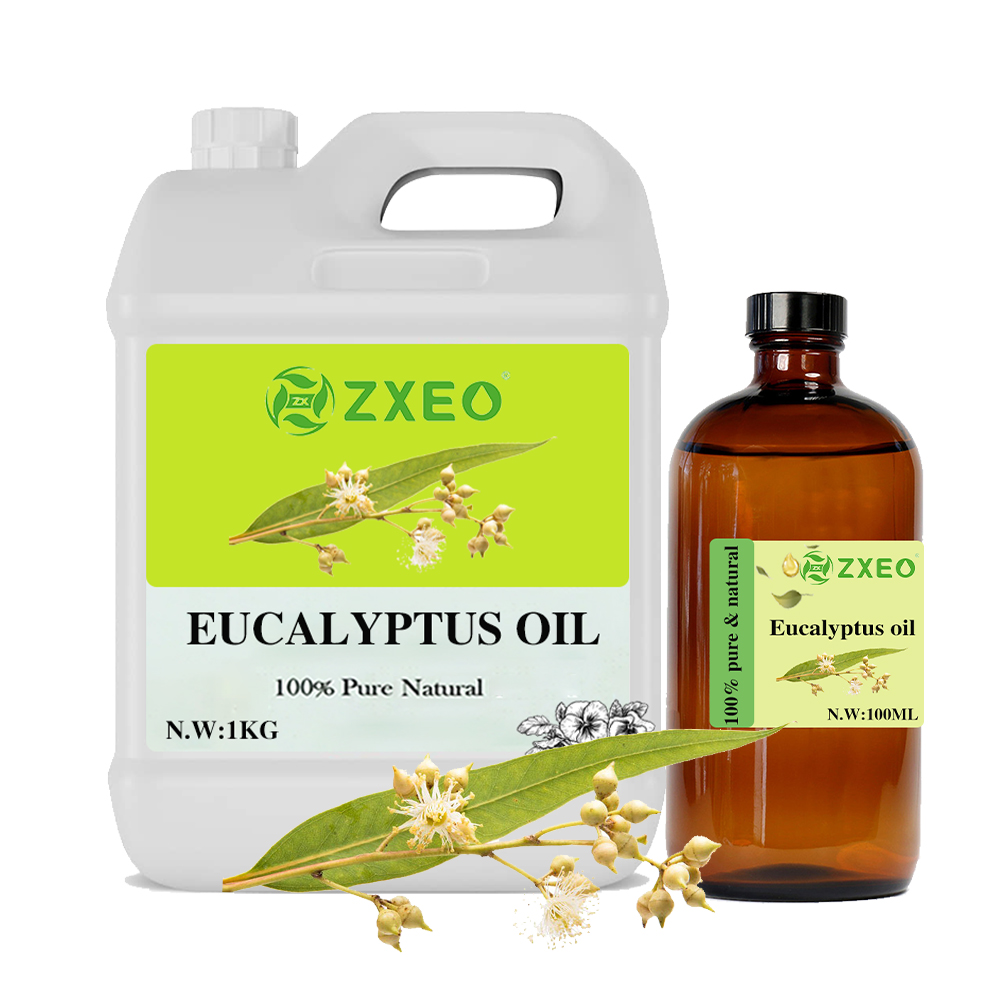
The oil’s excellent antimicrobial activity makes it useful for treating acne, ulcers, wounds, insect bites, and even measles. Laboratory studies have shown that eucalyptus oil may increase ceramide production, helping to keep skin moisturized, reduce inflammation, and prevent UVB‑induced collagen degradation. It also helps strengthen the skin’s natural moisture barrier, trapping water in the skin to prevent and relieve dryness, flaking, and irritation.
When incorporated into skincare routines—whether added to face creams, toners, cleansers, or facial steams—eucalyptus oil helps purify the skin of impurities and excess oils while refreshing and balancing the complexion. Its clarifying action also soothes itchy and flaky scalps when added to shampoos.
A Multitude of Wellness Benefits
Beyond massage and skincare, eucalyptus essential oil offers a wide range of therapeutic benefits that have been validated through both traditional use and modern research. The oil has demonstrated strong antibacterial, antifungal, and antiviral properties against a variety of pathogens, making it valuable in combating infections and supporting overall hygiene.
Inhalation of eucalyptus oil can help promote clear airways, relieve congestion, and ease symptoms of respiratory conditions such as coughs, colds, and sinusitis. Its anti‑inflammatory, mucolytic (mucus‑thinning), and mild bronchodilatory properties make it a popular remedy for respiratory discomfort. In aromatherapy, eucalyptus is renowned for its invigorating and uplifting qualities, promoting mental clarity, relaxation, and stress relief.
Furthermore, emerging research highlights the oil’s potential in wound healing, with its antimicrobial activity helping prevent infection while its anti‑inflammatory and analgesic properties contribute to reducing inflammation and pain associated with wounds. Recent studies have also explored its antioxidant and tissue‑protective properties, as well as its potential as a natural tyrosinase inhibitor.
Safety and Usage Guidelines
While eucalyptus essential oil offers numerous benefits, it must be used with care. Pure eucalyptus essential oil can cause irritation when applied to the skin and should always be diluted with a carrier oil before topical use. A general guideline is to use a 1‑3% dilution of eucalyptus oil. The oil should not be used on children under the age of two, especially near the face and nose, due to the risk of airway spasm. Pregnant or nursing women should also avoid use, and individuals with asthma or severe liver conditions should exercise caution. Eucalyptus essential oil is for external use only and should never be ingested
Mobile:+86-15387961044
Whatsapp: +8618897969621
e-mail: freda@gzzcoil.com
Wechat: +8615387961044
Facebook: 15387961044
Post time: Jul-15-2026