

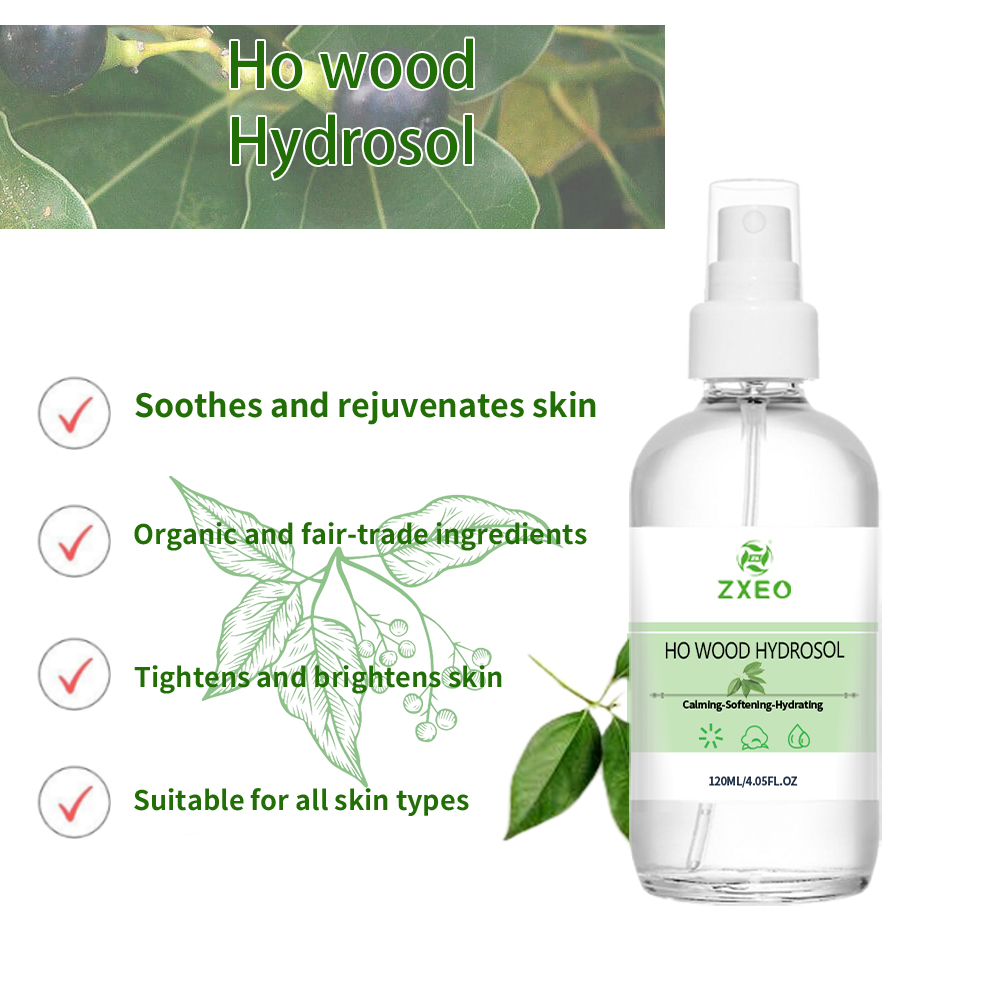
As the global cosmetics and wellness industries continue their shift toward ethically sourced, plant-based ingredients, Ho Wood Hydrosol is emerging as a standout product. Distilled from the leaves and branches of the Cinnamomum camphora tree, native to parts of Asia, this gentle floral water is being recognized for its soothing, anti-inflammatory, and skin-balancing properties. Industry experts point to Ho Wood Hydrosol as a particularly promising innovation due to its sustainability profile, offering a practical alternative to overharvested essential oils such as rosewood.
Unlike many aromatic waters that are byproducts of essential oil production, Ho Wood Hydrosol is often produced specifically for its own therapeutic and cosmetic virtues. The hydrosol carries a soft, woody, slightly floral aroma with subtle earthy undertones, making it appealing for natural perfumery, facial mists, and calming skin toners. Its chemical composition is dominated by linalool, a naturally occurring terpene known for its calming and antimicrobial effects. This makes Ho Wood Hydrosol especially valuable for sensitive or reactive skin types.
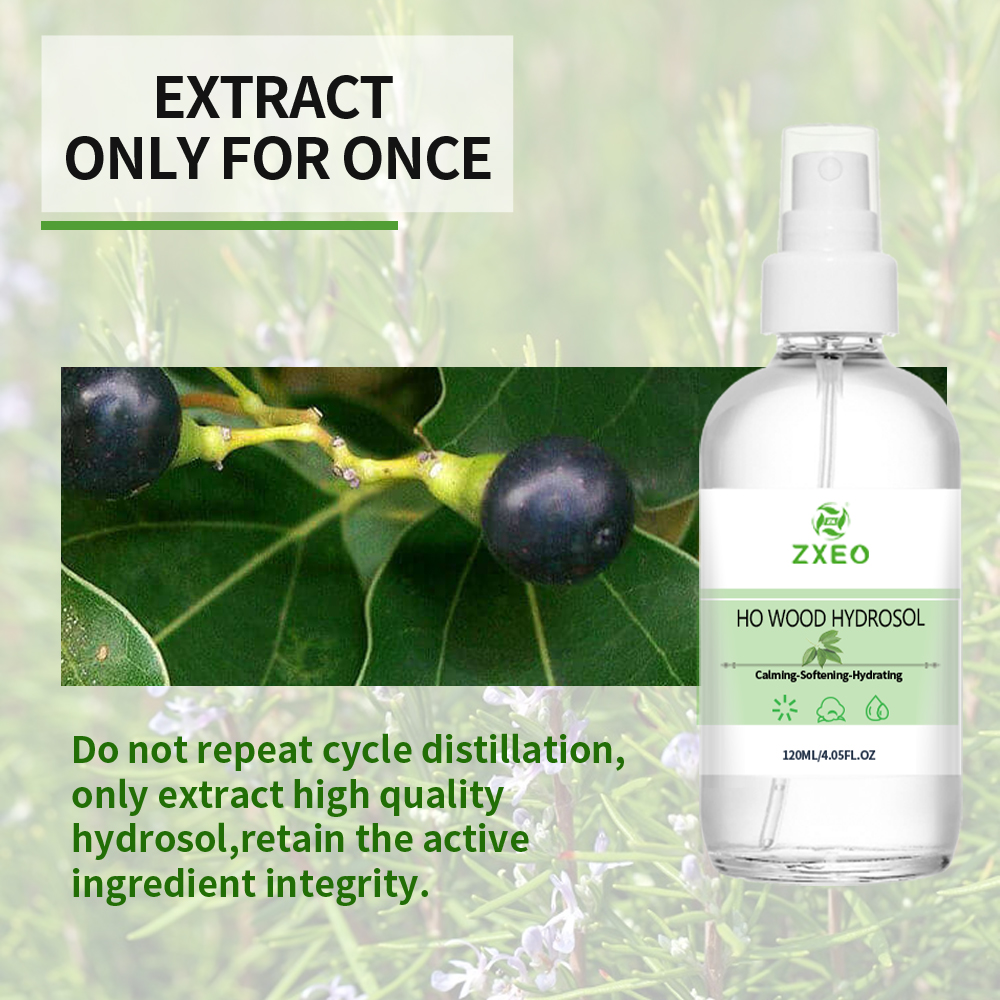
The renewed interest in Ho Wood Hydrosol comes at a time when the beauty industry is scrutinizing supply chains for environmental and ethical risks. Traditional rosewood essential oil, long prized in skincare and fine fragrance, has led to the endangerment of Aniba rosaeodora trees in the Amazon rainforest. By contrast, Ho wood trees are fast-growing and more abundantly available, with distillation utilizing leaves and twigs rather than heartwood, allowing the trees to survive and regenerate.
Aromatherapists and hydrosol specialists have begun incorporating Ho Wood Hydrosol into protocols for stress relief, skin redness, and post-procedure care. Cathy Zhang, a certified clinical aromatherapist and founder of Flora Aroma Lab, noted, “Ho Wood Hydrosol is exceptionally gentle. It can be applied directly to the skin without dilution, making it a practical choice for calming rashes, acne inflammation, or simply as a daily hydrating mist. For many clients with rosacea or eczema, it has become a go-to product.”
Early adopters in the clean beauty space are formulating with Ho Wood Hydrosol in products ranging from facial toners and after-shave splashes to linen sprays and baby wipes. Because hydrosols contain a lower concentration of active compounds than essential oils, they offer a safer, water‑soluble option for applications involving children, pets, or long-term daily use.
Producers are also highlighting the hydrosol’s ability to support the skin’s microbiome. Preliminary in-vitro studies suggest that linalool-rich plant waters may help balance sebum production and reduce colonization by opportunistic bacteria, without disrupting beneficial flora. These properties align with the growing demand for prebiotic and barrier-supporting skincare.
Despite its benefits, Ho Wood Hydrosol remains relatively unknown outside professional aromatherapy circles. Industry advocates are calling for clearer labeling standards and greater consumer education. At present, most Ho Wood Hydrosol is produced in small batches by specialist distillers in Taiwan, China, and Vietnam. However, larger ingredient suppliers have begun scaling production in response to rising demand from European and North American brands.
Sustainability remains a key talking point. Responsible distillation practices ensure that Ho Wood trees are not felled for production, and the hydrosol itself is fully biodegradable. Brands adopting Ho Wood Hydrosol can market finished products as cruelty-free, vegan, and low-impact.

Post time: Jun-02-2026