

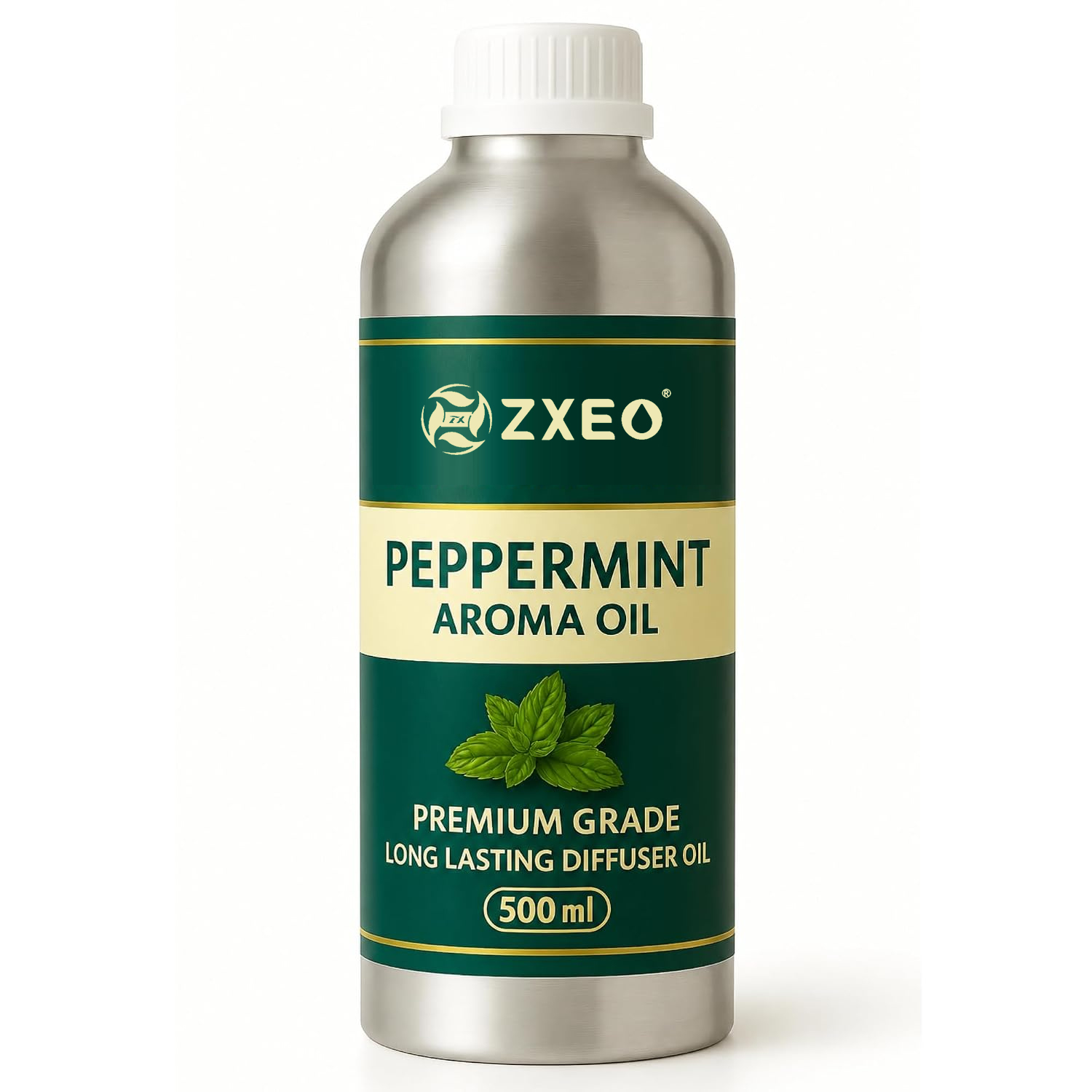
Peppermint essential oil is a versatile and powerful natural remedy with a refreshing, cooling aroma. It offers numerous benefits, from boosting mental clarity and relieving headaches to soothing muscle pain and repelling insects. However, because it is highly concentrated, proper usage is essential for both safety and effectiveness. Below is a practical guide on how to incorporate peppermint essential oil into your daily routine.
1. Aromatherapy Diffusion
Inhaling peppermint oil vapor is the quickest way to experience its mental and respiratory benefits.
Ultrasonic Diffuser: Add 3 to 5 drops of peppermint oil to your diffuser filled with water. Run it for 15–30 minutes to improve focus, reduce fatigue, and clear stuffy sinuses.
Steam Inhalation: Fill a bowl with hot water, add 1–2 drops of oil, lean over it with a towel over your head, and breathe deeply for 5–10 minutes. This is highly effective for nasal congestion and respiratory discomfort.
Personal Inhaler: Place a drop on a cotton ball or aromatherapy inhaler wick and inhale whenever you need an energy boost during work or travel.
2. Topical Application (Skin and Body)
Peppermint oil creates a cooling sensation that soothes muscles, relieves tension, and calms itchy skin. Always dilute it with a carrier oil (such as jojoba, coconut, or almond oil) before applying to the skin.
Muscle Pain Relief: Mix 5 drops of peppermint oil with 15 ml (about 1 tablespoon) of carrier oil. Massage onto sore shoulders, neck, back, or legs after exercise or long periods of sitting.
Headache Relief: Combine 2 drops of peppermint oil with 5 ml of carrier oil. Gently massage a small amount onto your temples, forehead, and the back of your neck using circular motions. The cooling effect helps reduce tension headaches.
Cooling Foot Bath: Add 5 drops of peppermint oil to a basin of warm water and soak your feet for 15 minutes. This refreshes tired feet and helps eliminate odor.
Insect Bites and Itching: Dilute 1 drop with 5 ml of carrier oil and apply sparingly to mosquito bites or minor skin irritations to reduce redness and soothe itching.
3. Household and Cleaning Uses
Peppermint oil is a natural, chemical-free alternative for cleaning and pest control.
All-Purpose Cleaner: In a 500 ml spray bottle, combine water, 1 tablespoon of white vinegar, and 15–20 drops of peppermint oil. Shake well and use on countertops, sinks, and bathroom tiles for a fresh, minty shine.
Insect Repellent: Mix 10 drops of peppermint oil with 100 ml of water in a spray bottle. Spray around doorways, windows, and baseboards to deter ants, spiders, and mosquitoes.
Room and Linen Freshener: Add 5 drops to 200 ml of distilled water in a spray bottle. Lightly mist over curtains, carpets, and bed linens to eliminate odors and leave a crisp, clean scent.
4. Oral Care
Peppermint oil is widely used for its antibacterial properties and refreshing taste.
Homemade Mouthwash: Add 1 drop of peppermint oil to a glass of warm water (200 ml). Swish in your mouth for 30 seconds and spit out. Do not swallow. This helps freshen breath and soothe mild gum discomfort.
Toothpaste Booster: Place a tiny drop of peppermint oil on top of your toothpaste before brushing for an extra-strength clean and long-lasting freshness.
Jiangxi Zhongxiang Botanicals Co., Ltd.
Contact:Kelly
Tel:17770621071
Post time: Jul-18-2026