

Thyme essential oil, distilled from the fresh flowering tops of Thymus vulgaris, is one of the most potent oils in natural wellness. To use it safely and effectively, follow these practical guidelines.
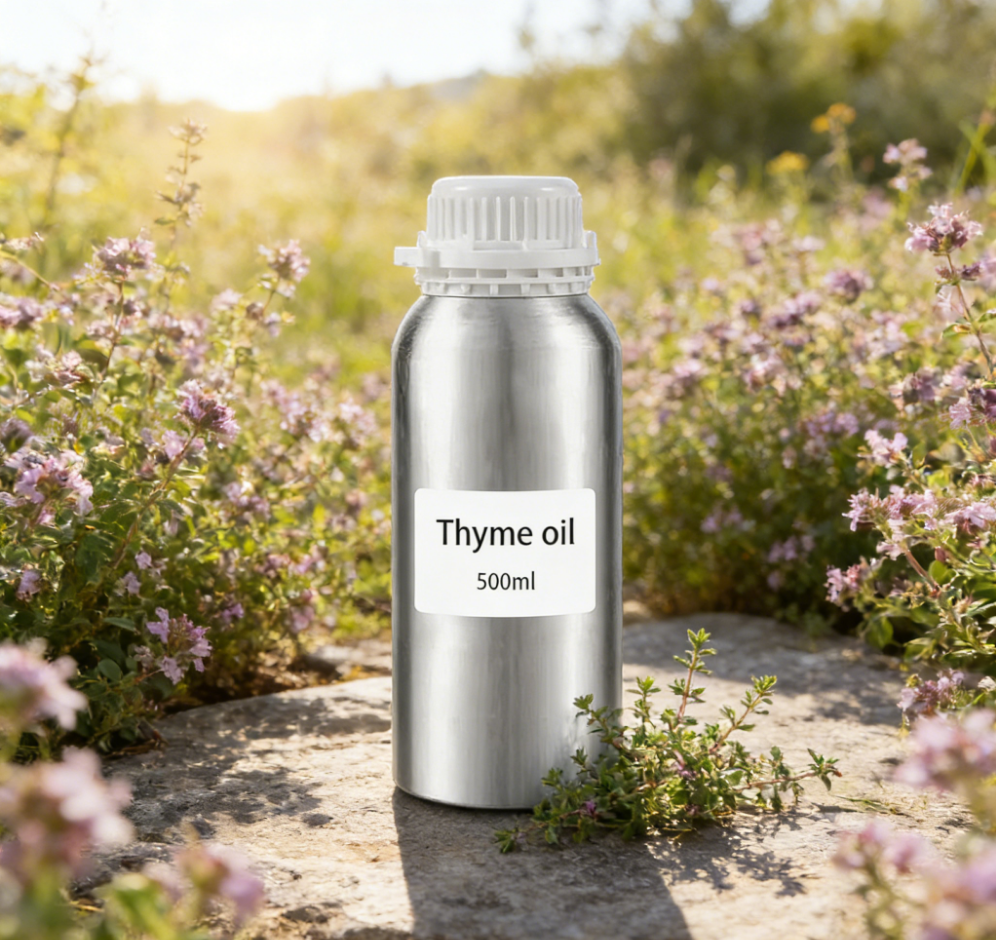
For aromatherapy and respiratory support, thyme oil excels at clearing the air and promoting easy breathing. Diffuse 3–4 drops to purify your space and sharpen mental focus. For direct inhalation, add 1–2 drops to a bowl of steaming hot water, cover your head with a towel, close your eyes, and breathe deeply for 5–10 minutes.
For topical applications, thyme oil must always be diluted. Mix with a carrier oil such as coconut, jojoba, or sweet almond oil at a concentration of no more than 1–2%. This blend can be massaged onto the chest, back, or soles of the feet. A patch test on a small area of skin is strongly recommended before broader use, as thyme oil can cause skin sensitivity in some individuals.
For natural home care, thyme oil’s powerful purifying properties make it an excellent cleaning ally. Add 10–15 drops to a spray bottle filled with water and white vinegar for an all-purpose disinfecting spray. It can also be added to laundry or used in DIY surface scrubs.
Important safety notes: Thyme oil is potent and should never be used undiluted on the skin. Avoid internal use unless under the guidance of a qualified health professional. Keep away from eyes and mucous membranes. Pregnant or nursing women and young children should consult a healthcare provider before use.
“Thyme oil is remarkably effective, but respect for its potency is essential,” says a wellness expert from ZX. “When used correctly—diluted for skin application and inhaled for respiratory support—it becomes a valuable tool for seasonal wellness and natural cleaning.”
For detailed prices, usage guides, and customer testimonials, please contact us.
Mob/whatsapp/wechat: +86 18679695545
E-mail: linda@jxzxbt.com
Post time: May-30-2026