

In an era where consumers are increasingly turning to clean, natural alternatives for their health and beauty regimens, one ingredient is quietly making a name for itself across the skincare and wellness industries: tea tree hydrosol. Also known as tea tree water or Melaleuca alternifolia leaf water, this gentle yet powerful botanical extract is winning over everyone from dermatology-conscious consumers to massage therapists seeking holistic solutions.
Today, tea tree hydrosol—the aqueous byproduct of steam distillation—offers many of the same therapeutic benefits as the essential oil, but in a much gentler, water-based form that is suitable for a far wider range of applications.
Skincare: A Solution for Blemish-Prone and Sensitive Skin
Tea tree hydrosol has emerged as a standout ingredient in natural skincare, particularly for those struggling with acne, oily skin, and inflammation. Its powerful purifying properties make it an ideal facial toner for blemish-prone skin, helping to cleanse and invigorate dull complexions.
The hydrosol works by balancing sebum secretion and unclogging pores, effectively reducing the bacteria that lead to acne and breakouts. Its anti-inflammatory properties help soothe irritated skin, reducing the redness and swelling associated with active breakouts. Meanwhile, its astringent qualities tighten, tone, and firm the skin while minimizing excess oil and reducing the appearance of large pores.
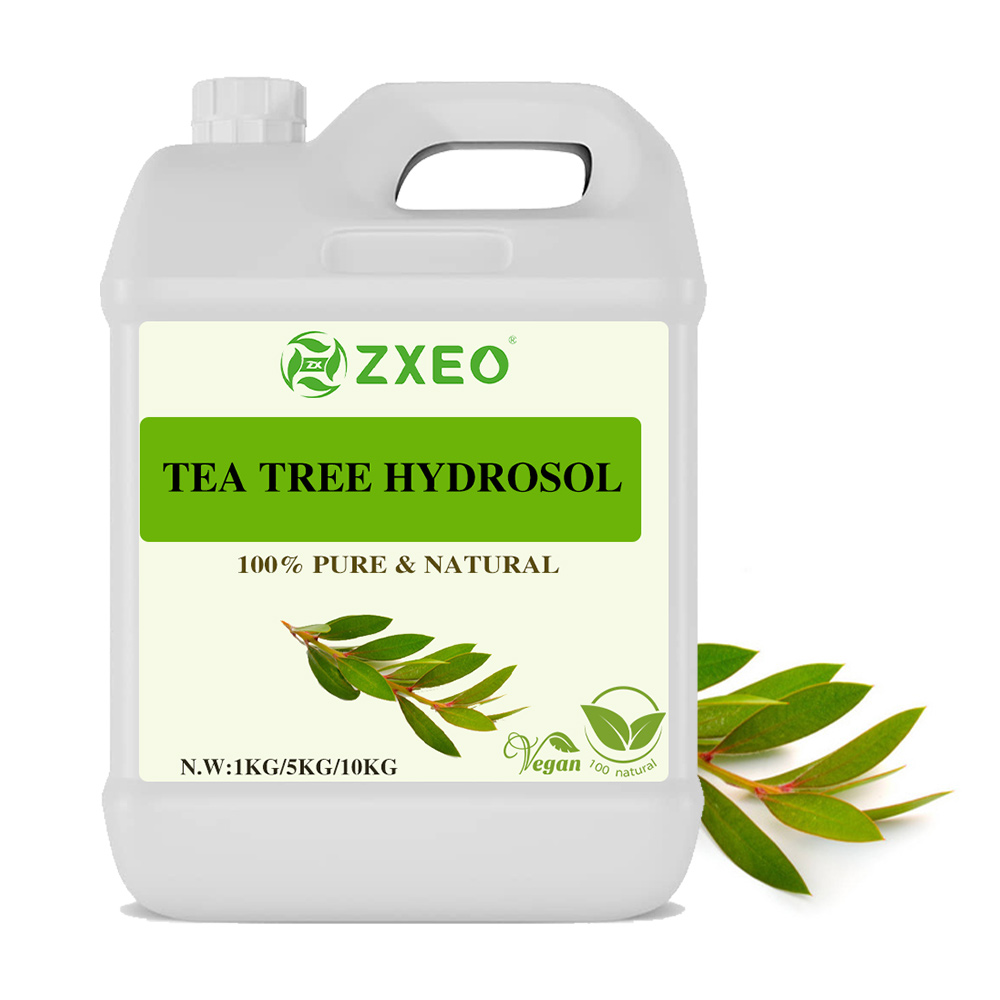
“Tea tree hydrosol is a game-changer for anyone with acne-prone or sensitive skin,” notes skincare formulators who regularly incorporate it into cleansers, toners, and facial mists. “It delivers potent antibacterial and antifungal benefits without the potential irritation that can come with essential oils.”
Beyond blemishes, tea tree hydrosol has been shown to be effective for a wide spectrum of skin concerns. It soothes conditions such as eczema, psoriasis, and sunburn, and can even be used to clean minor cuts, scrapes, and wounds. Its antimicrobial, antibacterial, antiviral, and antifungal properties make it a true multitasker in any natural medicine cabinet.
Massage and Bodywork: Relaxation Meets Therapeutic Care
The benefits of tea tree hydrosol extend well beyond the face. In the world of massage therapy and bodywork, this floral water is gaining recognition as a valuable tool for both relaxation and therapeutic treatment.
Massage therapists and aromatherapists are increasingly incorporating tea tree hydrosol into their practices. It can be used as a refreshing body spray during massage sessions, helping to purify the skin while promoting a sense of calm. Its invigorating, camphor-like scent provides an uplifting sensory experience that complements the physical benefits of massage.
For those dealing with muscle tension, tea tree hydrosol offers analgesic properties that help reduce pain from wounds and soothe sore muscles. It has been reported to help relieve muscle knots, sprains, and strains, making it a valuable addition to post-workout recovery routines. When added to a warm bath, the hydrosol provides a deeply relaxing soak that calms both body and mind.
The hydrosol is also finding its way into specialized massage applications. In Japan, many aromatherapists use tea tree products during foot massage to prevent infection—a testament to the ingredient’s longstanding reputation as a natural antiseptic.
Scalp and Hair Care: A Growing Trend
One of the most popular emerging uses for tea tree hydrosol is in scalp and hair care. A simple spritz onto freshly washed hair, followed by a gentle scalp massage, can help soothe itchiness, reduce dandruff, and balance excess oil production. The anti-inflammatory properties provide relief from dry, irritated scalps while the antibacterial action helps maintain a healthy scalp environment.
Mobile:+86-15387961044
Whatsapp: +8618897969621
e-mail: freda@gzzcoil.com
Wechat: +8615387961044
Facebook: 15387961044
Post time: Jul-29-2026