

Derived from the leaves of the Australian native tea tree, this essential oil contains over 100 bioactive compounds, with terpinen-4-ol as its primary active constituent—responsible for its potent antibacterial, antifungal, and anti-inflammatory properties. Its rising popularity reflects a broader consumer shift toward natural, organic, and chemical-free products for health and skincare.
Skincare: A Clinically Validated Solution for Acne and Beyond
Tea tree oil has emerged as one of the most consistently supported botanical treatments for acne, with randomized controlled trials demonstrating reductions in both inflammatory and noninflammatory lesions. A systematic review and meta-analysis published in 2026, encompassing seven studies with 445 patients, confirmed that tea tree oil use was associated with a reduction in acne severity compared to control groups.
Research shows that 5% tea tree oil delivers comparable acne improvement to 5% benzoyl peroxide, with a slower onset and fewer side effects. The oil’s antibacterial action targets Cutibacterium acnes, the bacteria primarily responsible for acne development, while its anti-inflammatory properties help soothe irritated skin.
Innovative delivery systems are further enhancing tea tree oil’s skincare potential. Scientists have developed hydrolyzed collagen-modified bacterial cellulose loaded with tea tree oil, achieving up to eightfold improvement in loading efficiency and sustained antibacterial release against acne-associated bacteria. Nano-emulsification technologies have also demonstrated enhanced stability and bioactivity.
Beyond acne, tea tree oil is widely used to soothe dry, irritated skin, reduce scalp itchiness and dandruff, and promote overall skin health. Its antifungal properties make it effective against conditions ranging from athlete’s foot to nail fungus.
Aromatherapy: Purifying Air and Calming the Mind
In aromatherapy applications, tea tree oil delivers a fresh, green, cleanly medicinal aroma that purifies the air and promotes mental clarity. When used in diffusers, it helps neutralize unwanted odors, reduce stress, and support immune function.
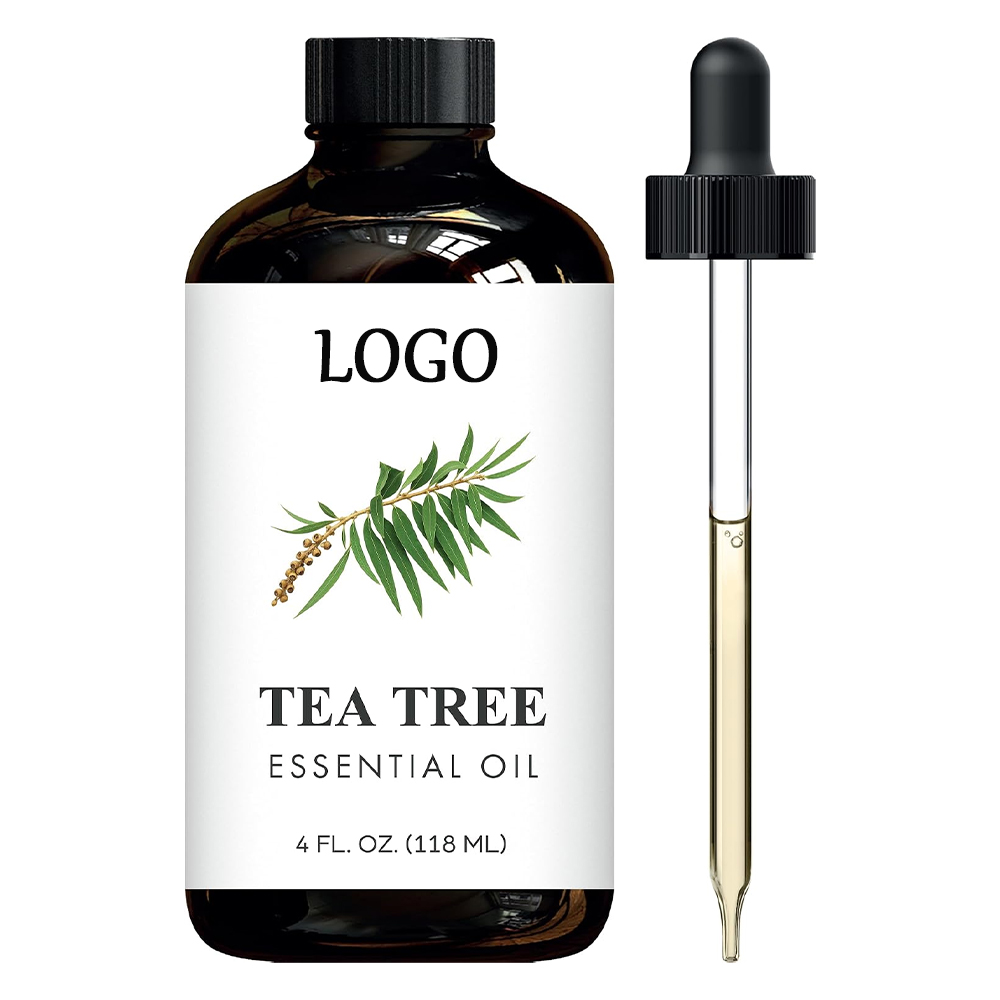
Aromatherapists recommend adding 3 to 4 drops of tea tree oil to a diffuser to create a clean, refreshing environment. The crisp, herbal scent can help alleviate congestion and enhance focus, making it a popular choice for home offices, wellness spaces, and meditation practices.
Tea tree oil is also used in steam inhalation to help clear the airways and support easier breathing—simply add a few drops to a bowl of steaming hot water and inhale deeply. Its naturally sourced deodorizing properties make it an effective alternative to synthetic air fresheners.
Massage Therapy: Clarifying, Energizing, and Soothing
In massage therapy, tea tree oil is typically used in very low dilution (0.5% to 1% in a carrier oil) to add a fresh, “clean” aroma that feels quietly energizing and mentally clarifying. When properly diluted, it can soothe skin, ease breathing, and create a sense of physical and mental well-being.
Massage therapists value tea tree oil for its cleansing and revitalizing properties. Its antimicrobial constituents may support skin hygiene, making it particularly beneficial after exercise or for congestion-prone areas. Many clients choose tea tree oil when they desire a “clean” scent, lighter oil feel, and a quietly energizing finish.
For full-body massage, practitioners blend tea tree oil into a neutral carrier oil at 0.5–1% concentration, increasing only when treating small, localized areas. A typical dilution guideline is 3 drops of essential oil to 10ml of base oil. The oil can also be added to bath water for a relaxing and cleansing experience.
Mobile:+86-15387961044
Whatsapp: +8618897969621
e-mail: freda@gzzcoil.com
Wechat: +8615387961044
Facebook: 15387961044
Post time: Aug-12-2026