

The beauty and wellness industry is witnessing a significant shift toward plant based, multifunctional ingredients, and at the forefront of this movement is Turmeric Hydrosol. Often overshadowed by its more concentrated counterpart, turmeric essential oil, this gentle yet potent floral water is gaining recognition for its remarkable antioxidant and anti-inflammatory properties. As consumers increasingly seek clean, sustainable, and effective alternatives for skin and health, Turmeric Hydrosol is emerging as a key player in the global market.
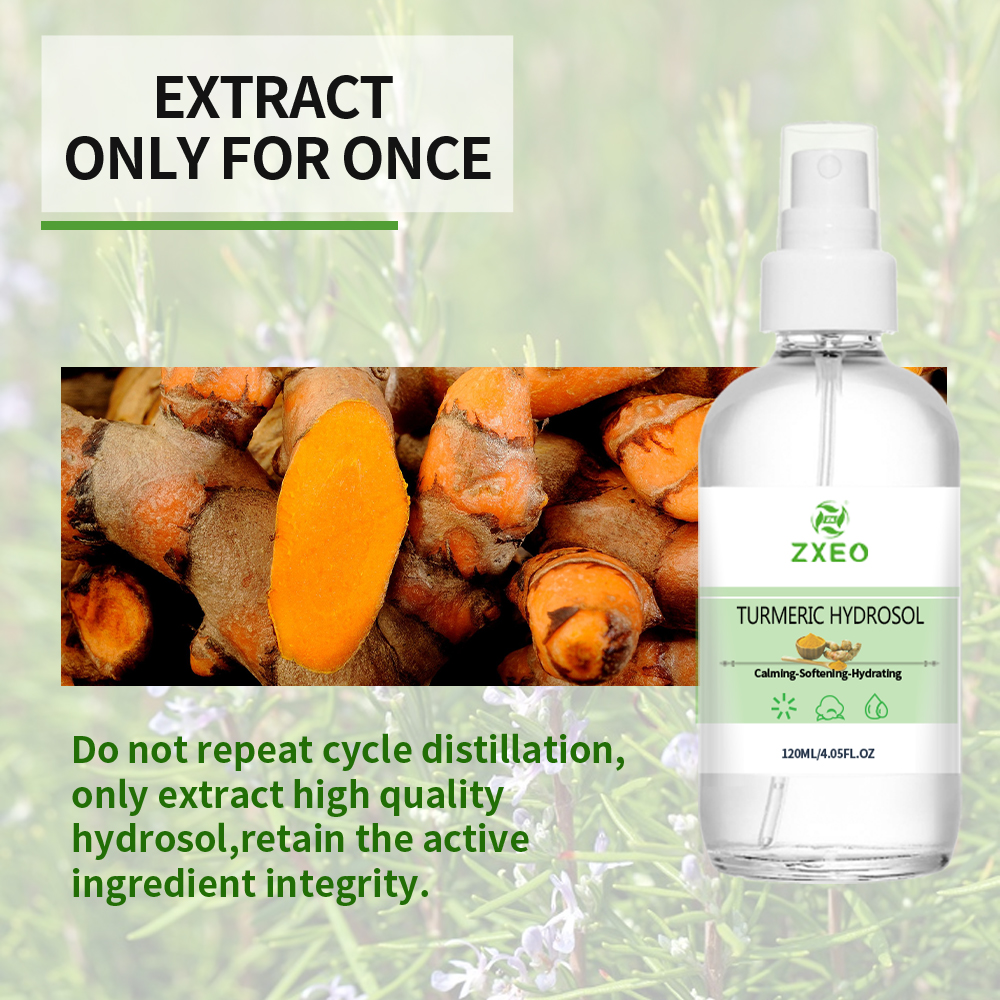
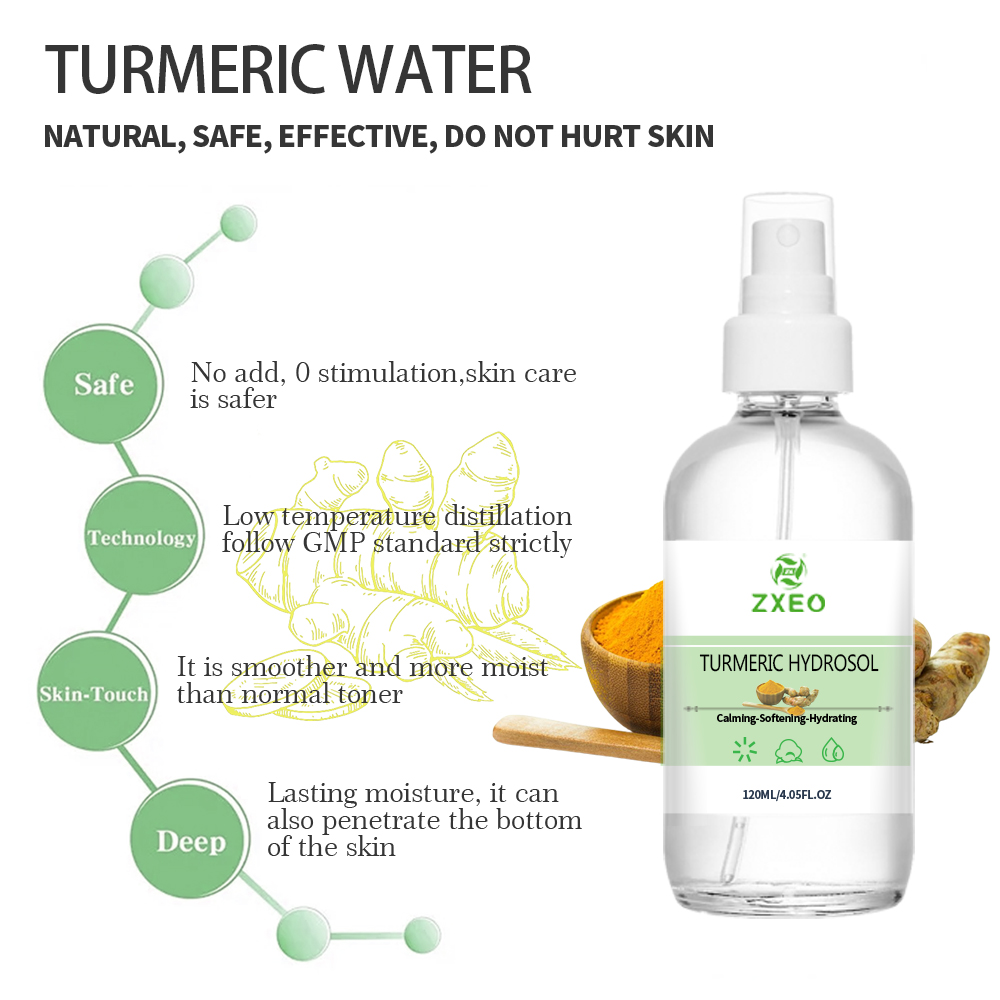
Derived through the steam distillation of turmeric roots, Curcuma longa, Turmeric Hydrosol, also known as turmeric floral water, captures the water soluble components of the plant. The process involves subjecting the carefully harvested rhizomes to low pressure steam. As the steam and volatile oils are condensed and collected, they separate into two distinct products: the essential oil and the hydrosol. Unlike the essential oil, which is highly concentrated, the hydrosol is a clear or almost colorless liquid that carries a gentle, earthy, and spicy aroma, offering a subtler yet effective way to harness the benefits of turmeric.
The secret to its efficacy lies in its rich composition. Turmeric Hydrosol is imbued with curcumin, a powerful antioxidant and anti-inflammatory compound known for its ability to combat oxidative stress and support the body’s natural healing processes. This makes it a versatile solution for a variety of applications, particularly in skincare and personal care.
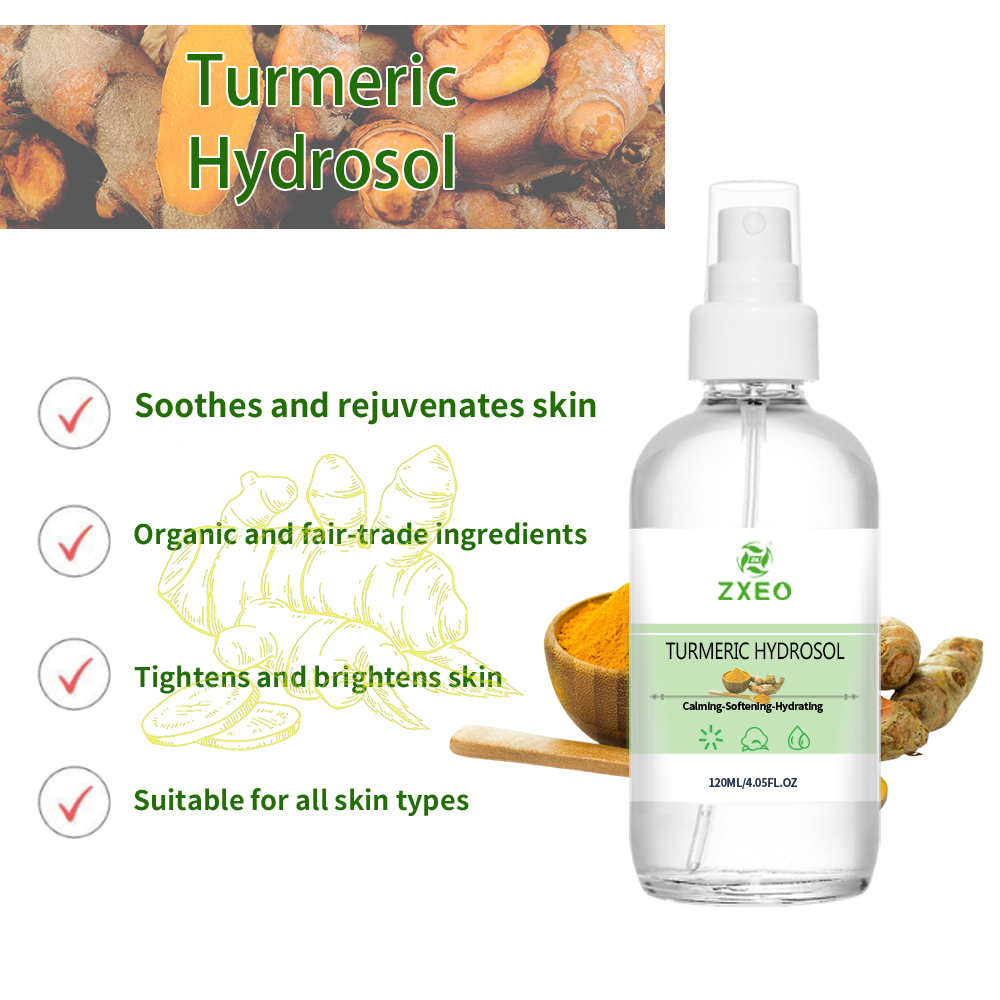
In the cosmetic industry, Turmeric Hydrosol is being lauded as a superior skin tonic. Its anti-inflammatory and antimicrobial properties are ideal for soothing irritated skin, reducing redness, and calming conditions like acne. It serves as an excellent facial toner for all skin types, helping to balance pH levels, shrink open pores, and promote a clear, radiant complexion. Furthermore, its antioxidant properties help in combating signs of aging such as fine lines and wrinkles, making it a valuable ingredient in serums, creams, and masks.
One of the most significant advantages of turmeric hydrosol, particularly for cosmetic formulations, is that it provides the skin soothing and brightening benefits of turmeric without the characteristic staining quality of the raw spice. This clear liquid form allows formulators to create elegant, non-staining products that deliver the desired results.
Beyond topical application, the hydrosol is also gaining traction in aromatherapy and holistic wellness. Its warming and grounding aroma is known to help calm the body and mind, offering a sense of stability and comfort. It can be used internally as a digestive tonic when added to water, helping to soothe the stomach and support digestive health. Its versatility extends to hair care, where it is used as a scalp mist to deliver vital nutrients like vitamins B and C, supporting a healthy scalp environment.
The market dynamics reflect this growing appreciation. The global hydrosol market is experiencing robust growth, with a projected increase from a valuation of 450.80 million US dollars in 2025 to an estimated 1,050.60 million US dollars by 2034, representing a compound annual growth rate of approximately 9.86 percent. This growth is driven by a surge in wellness trends and a consumer preference for sustainable, ethically sourced, and eco-friendly beauty products. Brands are increasingly highlighting the pure, single ingredient nature of their hydrosols, with many offering certified organic options to meet the demand for transparency and quality.
Industry experts point to the hydrosol’s adaptability as a key factor in its success. It is highly compatible with various formulations due to its water solubility and stability within a pH range of 3.0 to 7.0. As raw material innovators continue to explore its potential, turmeric hydrosol is set to become a staple in the next generation of natural, sustainable beauty and wellness solutions.
For more information on turmeric hydrosol and its applications, consumers and manufacturers are encouraged to consult with botanical suppliers and industry experts to explore its full potential.

Post time: Jul-07-2026