

In an era where consumers are increasingly turning to clean, plant-based beauty solutions, one ingredient is quietly making its mark across spas, skincare routines, and wellness practices worldwide: rosemary hydrosol. Often overshadowed by its more potent counterpart, rosemary essential oil, this gentle aromatic water is emerging as a versatile multitasker with scientifically backed benefits for skin, muscle recovery, and mental clarity.
What Is Rosemary Hydrosol?
Rosemary hydrosol—also known as rosemary floral water or hydrolate—is the aromatic water co-produced during the steam distillation of rosemary leaves and flowers (Rosmarinus officinalis L.). While essential oils capture the concentrated lipophilic compounds, hydrosols retain the water-soluble molecules, offering a milder, more skin-friendly alternative that carries the herbaceous, woody, and slightly camphoraceous scent of the fresh plant.
According to a comprehensive 2024 review published in Industrial Crops and Products, rosemary hydrosols are rich in terpenes, phenolic compounds, and other bioactive constituents that exhibit potent antioxidant, antimicrobial, anti-inflammatory, and neuroprotective activities. These properties make the hydrosol a gentle yet effective tool for both cosmetic and therapeutic applications.
A Skincare Powerhouse for All Skin Types
In the realm of skincare, rosemary hydrosol has gained traction as a natural toner and facial mist suitable for a wide range of skin types—particularly oily, combination, and blemish-prone skin.
Its natural astringent properties help tighten pores, regulate sebum production, and prevent unwanted shine. At the same time, its antibacterial and anti-inflammatory qualities make it beneficial for calming minor skin irritations, reducing redness, and combating acne-causing bacteria. For those concerned with aging, research suggests that rosemary extracts can enhance collagen I synthesis and protect against UVA-induced damage, preserving epidermal thickness and reducing inflammation. The hydrosol’s antioxidant capacity—largely attributed to compounds like rosmarinic acid and carnosol—helps neutralize free radicals that contribute to premature aging.
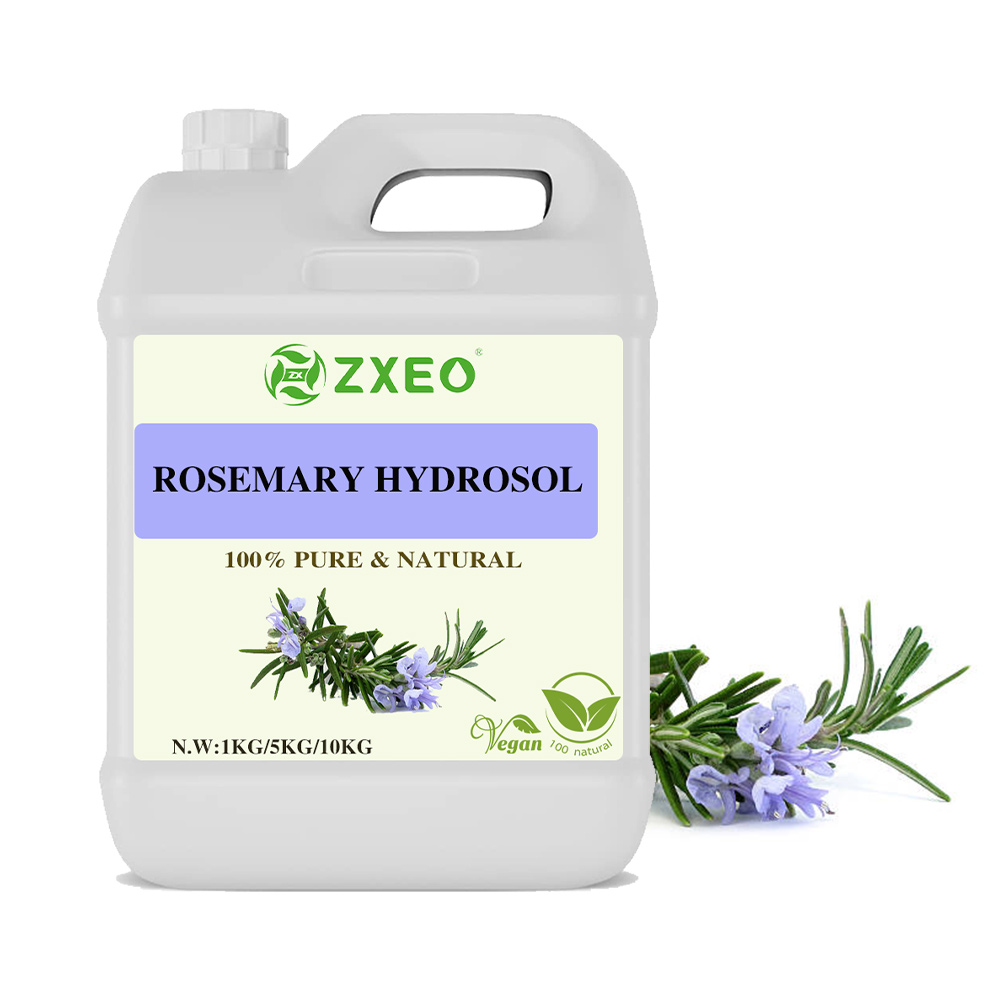
Beauty professionals are incorporating rosemary hydrosols into a variety of treatments. “Rosemary-infused serums or hydrosols can be used post-exfoliation to calm inflammation and refine pores,” notes industry publication Professional Beauty India. The hydrosol can be applied as a refreshing face mist, used as a toner with a cotton pad, mixed into clay masks, or layered under moisturizers and oils to enhance absorption and hydration.
Beyond the Face: Massage, Muscle Relief, and Scalp Care
Rosemary hydrosol’s benefits extend far beyond facial skincare. In spas and massage therapy settings, it has become a valued tool for its antispasmodic and pain-relieving properties. When used in massage blends or applied via compresses, the hydrosol can help relieve muscle aches, cramps, joint discomfort, and tension. Its ability to stimulate blood flow to the skin surface further enhances its therapeutic effects.
The hydrosol is also widely used in scalp care. Massaging it into the scalp stimulates circulation, strengthens hair follicles, promotes healthy hair growth, and helps prevent dandruff. “It is very frequently used to stimulate the scalp through massage, as it improves circulation while also ensuring hair shine,” explains one manufacturer.
Mobile:+86-15387961044
Whatsapp: +8618897969621
e-mail: freda@gzzcoil.com
Wechat: +8615387961044
Facebook: 15387961044
Post time: Jul-29-2026