

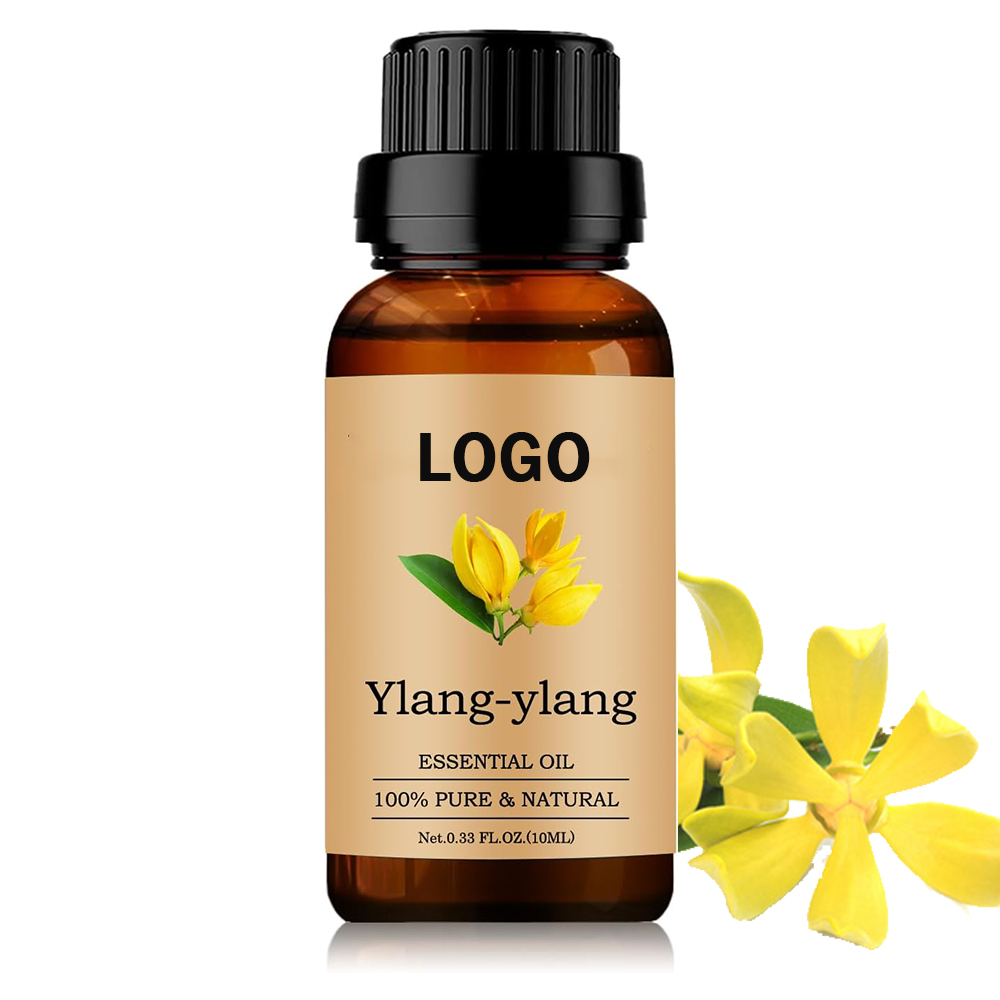
Known as the “flower of flowers,” ylang ylang (Cananga odorata) has been cherished for centuries across Southeast Asia and the Indian Ocean islands for its intoxicating fragrance and remarkable therapeutic properties. Today, this golden-yellow floral essential oil is experiencing a renaissance as consumers increasingly turn to natural, plant-based solutions for skincare, emotional balance, and self-care rituals.
Skincare: A Natural Defense Against Aging and Inflammation
Recent scientific research has placed ylang ylang essential oil at the forefront of natural dermatological solutions. A comprehensive 2024 study published in Pharmaceuticals investigated the oil’s chemical composition, antioxidant, and antibacterial properties, highlighting its potential as a natural alternative for antimicrobial treatments and dermatological applications. The research identified a complex mixture of bioactive compounds — including linalool, geranyl acetate, and benzyl benzoate — that demonstrate significant radical-scavenging capabilities.
Perhaps most compelling is the oil’s emerging role in anti-aging skincare. A 2026 study published in ScienceDirect examined the protective effects of ylang ylang essential oil against UVB-induced cellular aging in human fibroblast cells. The findings revealed that pretreatment with ylang ylang oil attenuated UVB-induced cytotoxicity, reduced intracellular oxidative stress, and helped maintain collagen type I levels — a crucial protein for skin elasticity and firmness. Researchers concluded that the oil shows “potential for skin cell protection and anti-aging effects,” possibly through antioxidant-related mechanisms.
Beyond anti-aging, ylang ylang oil has demonstrated promise in addressing specific skin concerns. A previous study found that a nanoemulgel formulation containing ylang ylang essential oil improved lesions associated with scalp psoriasis and dandruff in animal models. The oil’s antibacterial activity has been tested against common pathogens including Escherichia coli, Staphylococcus aureus, and Pseudomonas aeruginosa, showing promising inhibition zones.
For everyday skincare, aromatherapists prize ylang ylang for its ability to balance sebum production and act as a natural emollient, making it particularly beneficial for both oily and dry skin types. Its powerful antioxidant properties also help nourish and protect the skin, encouraging a glowing, healthy complexion.
Aromatherapy: Calming the Mind, Uplifting the Spirit
In the realm of aromatherapy, ylang ylang essential oil is celebrated as one of the most effective natural remedies for emotional well-being. Its rich, exotic, and intensely floral aroma with deep musky undertones has been used traditionally to treat depression, anxiety, nervous tension, and stress-related insomnia.
A pilot study published in Revista da Escola de Enfermagem da USP examined the effects of ylang ylang oil on anxiety and self-esteem among 34 professionals. The research found that both cutaneous application and inhalation of the oil produced significant improvements in self-esteem perception. Additional studies have shown that ylang ylang oil can reduce neuropathic pain and associated anxiety symptoms.
Aromatherapists describe ylang ylang as uniquely balancing — it simultaneously relaxes and uplifts, making it invaluable for quelling nervousness and calming fraught emotions. The oil is also considered one of the most powerful aphrodisiacs among essential oils, with the ability to “relax yet uplift, uniting our emotional and sensual nature”.
For home use, experts recommend adding 3 to 5 drops of ylang ylang essential oil to an electric diffuser or oil burner to create a calm, exotic sanctuary. A few drops can transform any space into a peaceful retreat, melting away daily stress and encouraging a positive outlook.
Massage Therapy: Deep Relaxation for Body and Mind
Ylang ylang essential oil has long been a staple in massage therapy, prized for its ability to relax both body and mind while soothing aching muscles. When properly diluted in a carrier oil, it creates a luxurious, sensual massage experience that addresses both physical tension and emotional stress.
The oil’s therapeutic benefits in massage extend to improving circulation and combating fluid retention, with a stimulating effect on the lymphatic system that helps eliminate toxins. Its calming properties make it particularly effective for relieving stress, depression, shock, and anxiety when incorporated into massage routines.
For safe and effective use, aromatherapy guidelines recommend diluting 5 drops of ylang ylang essential oil in 10ml of a suitable carrier oil — such as sweet almond or jojoba oil — before gently massaging into the skin. The oil blends exceptionally well with other essential oils; a popular formulation combines 3 drops of ylang ylang with 5 drops of sweet orange and 2 drops of sandalwood in 20ml of blending oil, applied in long, slow strokes.
Mobile:+86-15387961044
Whatsapp: +8618897969621
e-mail: freda@gzzcoil.com
Wechat: +8615387961044
Facebook: 15387961044
Post time: Aug-12-2026